









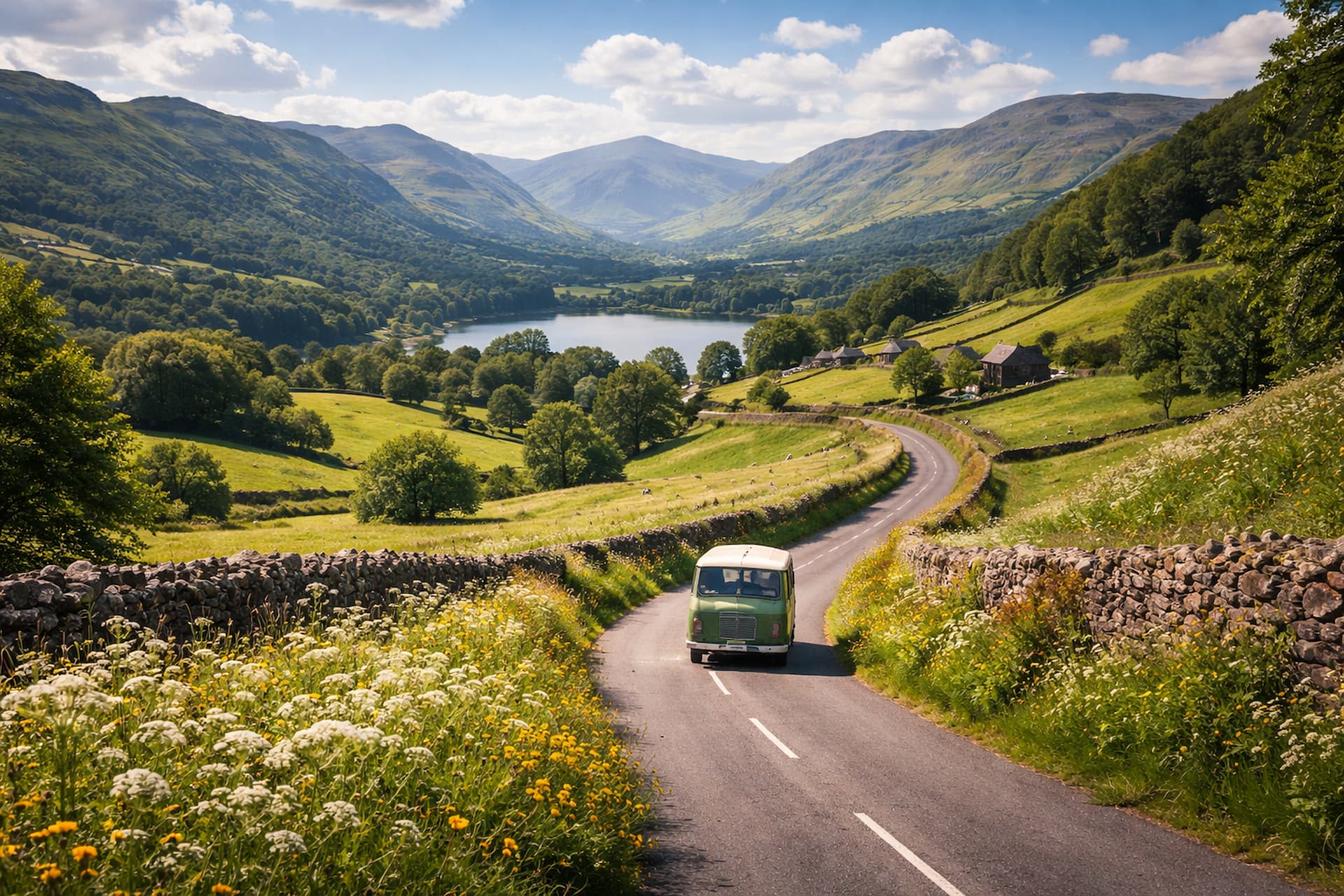
Slow travel is about intention rather than distance. It values depth over speed and connection over checklists. In the United Kingdom, scenic routes offer the perfect setting for this approach, where roads become narratives shaped by landscape, weather, and centuries of human life.
Instead of rushing from landmark to landmark, slow travel along the UK’s most scenic routes allows you to experience subtle transitions: the way hills soften into valleys, how villages change character from one county to the next, and how history is woven quietly into everyday surroundings.
Introduction
The United Kingdom is uniquely suited to slow travel. Its compact geography means dramatic changes in scenery can occur within short distances, while its dense history ensures that even the smallest detour often leads to something meaningful. Ancient footpaths cross modern roads, medieval villages sit beside working farmland, and coastlines shift constantly under the influence of tides and weather.
Slow travel encourages travellers to reduce daily mileage, stay longer in one place, and engage more deeply with local culture. Scenic routes play a central role in this philosophy. They are not simply functional corridors but immersive journeys that reward patience, curiosity, and attentiveness.
This article explores nine scenic routes across England, Scotland, Wales, and Northern Ireland that are particularly well suited to slow travel. Each route offers a distinct character and pace, inviting travellers to stop often, wander freely, and experience the journey as fully as the destination.
Understanding Slow Travel on the Road
What defines slow travel by route
Slow travel on the road prioritises experience over efficiency. Instead of choosing the fastest option, travellers select roads that reveal the landscape gradually and provide opportunities to pause.
Key qualities include:
- Roads that follow natural contours rather than cutting through them
- Frequent villages, viewpoints, and historical sites
- Landscapes that encourage walking, reflection, and exploration
- Cultural continuity visible in architecture, language, and local customs
Scenic routes in the UK often evolved from ancient trackways, trade routes, or agricultural paths. Their alignment reflects centuries of human interaction with the land, making them ideal for travellers seeking authenticity.
1. North Coast 500 – Scottish Highlands
The North Coast 500 is a circular route around the far north of Scotland, beginning and ending in Inverness. It passes through some of the most remote and visually striking landscapes in Britain.
Landscape and sense of scale
This route is defined by contrast. Vast open moorland gives way to steep coastal cliffs, while quiet beaches appear unexpectedly between rocky headlands. The sense of space is profound, and the changing light dramatically alters the mood throughout the day.
Cultural and historical context
Small communities along the route reflect a long history of fishing, crofting, and resilience. Many villages retain Gaelic place names, and historic ruins quietly mark earlier ways of life.
Why slow travel matters here
Driving quickly undermines the experience. Narrow single-track roads, wildlife crossings, and unpredictable weather naturally enforce a slower pace. Allowing time for detours, short walks, and conversations with locals reveals the human dimension of this vast landscape.
2. Causeway Coastal Route – Northern Ireland
The Causeway Coastal Route runs along the northern edge of Northern Ireland, connecting coastal towns and dramatic natural features.
Coastal character
Cliffs rise sharply from the sea, while inland fields roll gently toward the horizon. The proximity of land and ocean creates constant visual interest, with changing weather adding depth and drama.
Communities and traditions
Fishing villages and harbour towns anchor the route. Local stories, music, and oral history remain important, giving visitors insight into the region’s cultural identity.
Slow travel perspective
Short distances between stops make it easy to limit daily driving. Coastal paths, cafés, and heritage sites encourage lingering rather than passing through.
3. Lake District Circular Route – Cumbria
The Lake District offers one of the most harmonious landscapes in England, where water, stone, and sky interact continuously.
Rhythm of the landscape
Lakes reflect surrounding hills, while narrow roads wind between valleys and villages. The scenery unfolds slowly, rewarding attentive observation rather than rapid movement.
Literary and cultural depth
The region has long inspired writers, artists, and thinkers. This cultural legacy is embedded in the landscape and becomes more meaningful when explored unhurriedly.
Ideal slow travel approach
Staying in one location and exploring nearby valleys each day allows for deeper familiarity with the region’s character.
4. Snowdonia Mountain Roads – North Wales
Snowdonia’s roads pass through dramatic mountain scenery shaped by geology and industry.
Terrain and atmosphere
Steep passes, broad valleys, and sudden viewpoints define the journey. The scale of the mountains creates a sense of humility and stillness.
Living culture
Welsh language, music, and traditions remain central to daily life. Place names and local customs reflect a strong sense of identity.
Value of slowing down
The landscape demands respect. Weather changes quickly, and roads require careful navigation, making slow travel both practical and rewarding.
5. Jurassic Coast Drive – Dorset and East Devon
The Jurassic Coast stretches along southern England and represents millions of years of geological history.
Geological significance
Cliffs reveal layers of ancient rock, each telling part of Earth’s story. Beaches and coves encourage exploration rather than brief visits.
Human connection
Villages along the coast maintain strong ties to fishing and maritime trade. Local food and traditions reflect the sea’s influence.
Slow travel advantage
Combining short drives with coastal walks allows travellers to experience both scale and detail.
6. Yorkshire Dales Loop – Northern England
The Yorkshire Dales present a quieter, more understated beauty.
Visual consistency
Dry-stone walls, open valleys, and scattered farms create a strong sense of continuity. The landscape changes gradually, reinforcing calmness.
Social fabric
Market towns operate on weekly rhythms tied to agriculture and trade. Visiting during local events enhances understanding of daily life.
Why slow travel fits
Light traffic and open spaces encourage reflection and long stops.
7. Atlantic Highway – South West England
The Atlantic Highway follows parts of the north coast of Devon and Cornwall.
Sensory experience
Strong winds, open skies, and the sound of waves shape the journey. The route feels dynamic and exposed.
Cultural contrasts
Traditional farming communities coexist with surf culture and creative industries.
Slow travel benefit
Taking time to observe weather patterns and coastal light adds depth to the experience.
8. Cotswolds Scenic Route – Central England
The Cotswolds are synonymous with gentle landscapes and historic villages.
Architectural harmony
Limestone buildings blend seamlessly into the countryside, reinforcing a sense of continuity.
Village networks
Close proximity of settlements allows exploration on foot as well as by car.
Slow travel approach
Parking and walking between villages reveals details missed at speed.
9. South Downs Way Drive – Southern England
The South Downs offer expansive views and open horizons.
Landscape character
Rolling chalk hills create a sense of calm and openness. The scenery feels light and spacious.
Accessibility
Proximity to major cities makes the area ideal for short, slow escapes.
Why it suits slow travel
The landscape encourages contemplation and gentle movement.
Scenic Routes for Slow Travel
| Route | Region | Landscape | Travel Pace | Key Appeal |
|---|---|---|---|---|
| North Coast 500 | Scotland | Highlands and coast | Very slow | Remoteness |
| Causeway Coastal Route | Northern Ireland | Coastal cliffs | Slow | Cultural depth |
| Lake District Loop | England | Lakes and valleys | Slow | Harmony of nature |
| Snowdonia Roads | Wales | Mountains | Slow | Dramatic scenery |
| Jurassic Coast | England | Geological coast | Slow | Natural history |
| Yorkshire Dales | England | Rural valleys | Gentle | Tranquillity |
| Atlantic Highway | England | Rugged coast | Slow | Ocean presence |
| Cotswolds Route | England | Rolling countryside | Gentle | Village life |
| South Downs Way | England | Chalk hills | Gentle | Calm openness |
Planning a Slow Scenic Journey
Accommodation choices
Fewer stops and longer stays create continuity and reduce travel fatigue.
Seasonal timing
Spring and autumn offer balanced conditions with fewer crowds.
Travel mindset
Flexibility and curiosity are more valuable than strict itineraries.
Frequently Asked Questions
What makes slow travel different from traditional road trips?
Slow travel prioritises immersion rather than distance. Instead of covering as much ground as possible, travellers focus on understanding fewer places more deeply. This approach encourages longer stays, local interaction, and unplanned exploration, resulting in richer and more personal travel experiences.
Are scenic routes suitable for first-time visitors to the UK?
Yes, scenic routes provide an excellent introduction. They reveal regional character, history, and landscapes in a natural way. Travelling slowly reduces stress and allows visitors to adapt gradually to local customs, driving conditions, and cultural nuances.
How long should a slow scenic route journey last?
There is no fixed duration, but allowing at least two to three times longer than a direct drive is ideal. This creates space for walking, rest, and discovery, transforming the route into a meaningful experience rather than a transition.
Is slow travel more expensive?
Not necessarily. Staying longer in one place can reduce transport costs, and local food and accommodation often provide better value. Slow travel emphasises quality and sustainability rather than luxury.
Can scenic routes be enjoyed without extensive planning?
Yes. While basic planning helps, slow travel benefits from openness. Many discoveries occur spontaneously when travellers allow time for detours and local recommendations.
How does slow travel support sustainability?
By reducing frequent movement and supporting local businesses, slow travel lowers environmental impact and contributes positively to local economies. It encourages mindful consumption and respect for place.
What mindset is best for slow travel?
Patience, curiosity, and flexibility are essential. Accepting delays, changing plans, and unexpected encounters allows the journey to unfold naturally.
Conclusion
Scenic routes in the United Kingdom provide more than visual pleasure. They offer pathways into the country’s cultural, historical, and natural depth. When approached slowly, these routes become immersive experiences rather than simple connections between destinations.
Choosing to travel at a gentler pace allows travellers to notice detail, engage with communities, and build meaningful memories. In doing so, slow travel transforms the act of moving through the UK into an experience of presence, understanding, and lasting connection.