










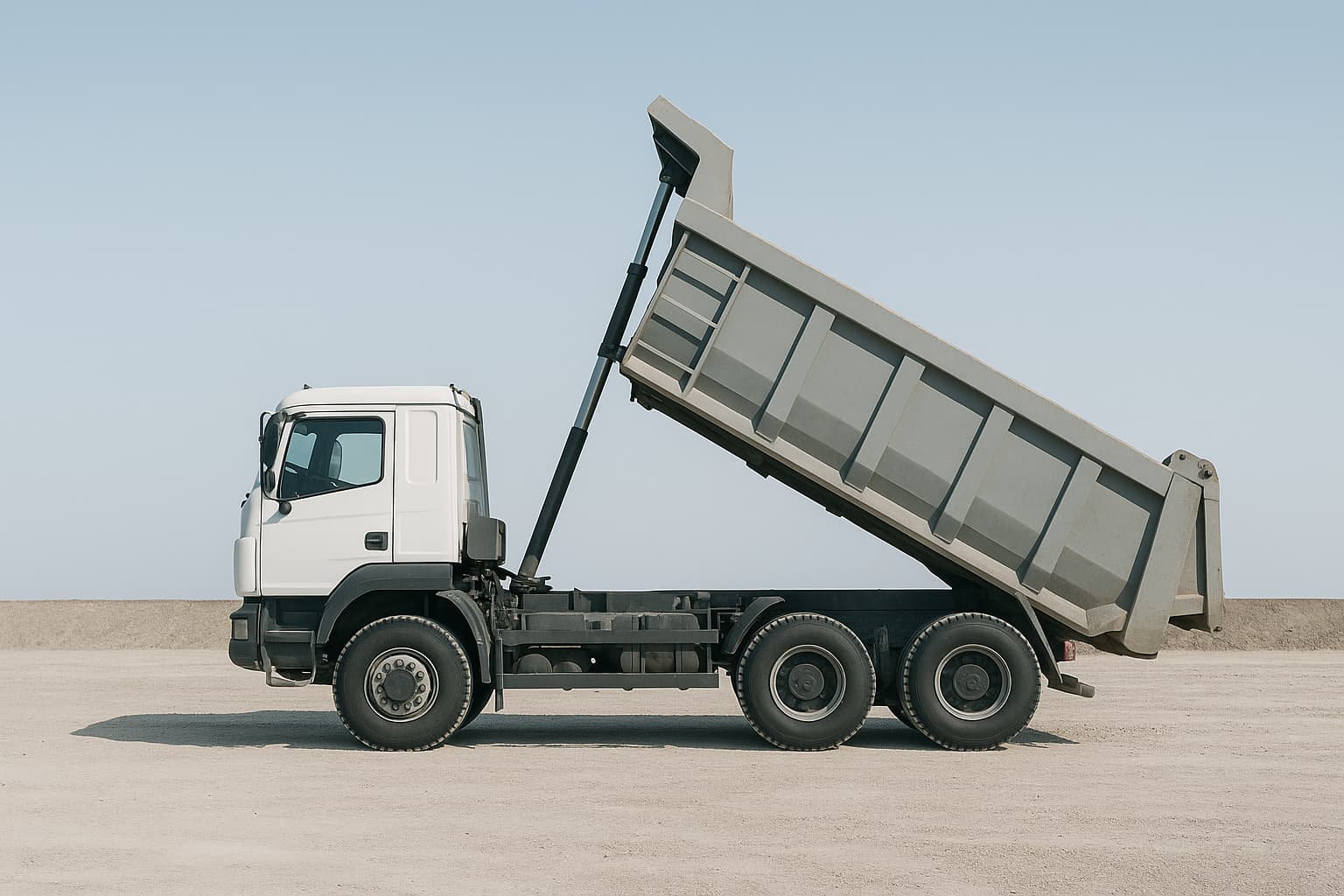
Heavy-duty tipper trucks are essential in modern construction projects, offering unmatched efficiency and versatility. Selecting the right equipment is crucial for managing large-scale operations effectively. Understanding their benefits can significantly enhance project outcomes.
In the dynamic world of construction, heavy-duty tipper trucks have become indispensable due to their robust capabilities and flexibility. These trucks are essential in managing substantial loads, which is critical for large-scale projects that demand high efficiency and precision. By choosing the right equipment, such as 8 Wheel Tipper Hire, you can ensure operational success while optimizing resources. The decision to employ these vehicles often hinges on their ability to deliver both performance and cost-effectiveness, making them a preferred choice among industry professionals.
Improving efficiency with heavy-duty tipper trucks
Operational efficiency is a cornerstone of successful construction projects, and heavy-duty tipper trucks play a significant role in this regard. These vehicles streamline various tasks such as transporting loose materials, debris removal, and earthmoving, making them invaluable on-site. Their design allows for swift unloading capabilities that reduce downtime and increase productivity. By integrating these trucks into your fleet, you can handle larger volumes more effectively, ultimately saving time and labor costs.
For many construction managers, the ability of tipper trucks to navigate difficult terrains enhances their appeal. Whether dealing with rocky landscapes or tight urban settings, these trucks provide versatility that other vehicles may lack. Their robust suspension systems and powerful engines make them adept at handling challenging conditions without compromising safety or efficiency. As a result, your project can maintain momentum regardless of external factors, ensuring deadlines are met more reliably.
The advanced hydraulic systems found in modern heavy-duty tipper trucks represent a significant leap forward in operational capability. These sophisticated mechanisms enable precise control over the tipping angle and speed, allowing operators to discharge materials with remarkable accuracy. This precision is particularly valuable when working in confined spaces or when materials need to be placed in specific locations. The hydraulic systems also contribute to faster cycle times, as the unloading process can be completed in a matter of seconds, enabling trucks to return to loading points more quickly and complete more trips per day. This enhanced productivity directly translates to improved project timelines and better resource utilization across the construction site.
Financial advantages of using tipper trucks
When considering the financial aspects of construction projects, heavy-duty tipper trucks offer a compelling advantage. Their cost-effectiveness stems from their multifunctionality, reducing the need for multiple specialized vehicles on site. This consolidation not only lowers direct costs but also minimizes maintenance expenses associated with operating a diverse fleet. When comparing them to other construction vehicles like loaders or dumpers, tipper trucks often emerge as more economical choices.
The durability and longevity of these trucks further contribute to their cost-efficiency. With regular maintenance, they can operate over extended periods without significant performance degradation. This reliability translates into fewer disruptions and more predictable budgeting for long-term projects. By investing in quality equipment upfront, you secure sustainable financial benefits that align with project goals while ensuring operational excellence throughout the construction timeline.
The resale value of well-maintained heavy-duty tipper trucks provides an additional financial benefit that is often overlooked in initial cost analyses. Unlike many pieces of construction equipment that depreciate rapidly, quality tipper trucks retain significant value over their operational lifespan, particularly when they have been properly serviced and documented. This strong resale market means that when it comes time to upgrade your fleet or transition to newer models, you can recoup a substantial portion of your initial investment. Furthermore, the availability of flexible financing options, including hire purchase agreements and leasing arrangements, allows construction companies to manage cash flow more effectively while still accessing the equipment they need. These financial instruments enable businesses to spread costs over time while maintaining the operational capacity necessary for competitive bidding on major projects.
Environmental considerations and sustainability
In today’s environmentally conscious climate, understanding the ecological impact of construction activities is essential. Heavy-duty tipper trucks have been scrutinized for their carbon emissions; however, advancements in technology are paving the way for greener solutions. Manufacturers are increasingly focusing on fuel-efficient engines and alternative energy sources to reduce environmental footprints. By opting for models with lower emissions, you contribute positively to sustainability goals.
Implementing strategies such as regular vehicle maintenance and optimizing load management can further mitigate environmental impacts. Properly maintained trucks operate more efficiently and consume less fuel, directly reducing emissions. Additionally, strategic planning of routes and load sizes can decrease unnecessary travel and idling time, enhancing overall efficiency. These practices not only benefit the environment but also lead to cost savings over time by improving fuel economy.
Ensuring safety and compliance in operations
The safety protocols associated with operating heavy-duty tipper trucks cannot be overstated. Adhering to stringent compliance requirements ensures not only the safety of operators but also the integrity of construction sites. It is vital to stay informed about industry standards and implement comprehensive training programs for all personnel involved in truck operations. This proactive approach minimizes risks and fosters a culture of safety within your organization.
Moreover, compliance extends beyond safety to include environmental regulations that govern emissions and waste management practices. Ensuring your fleet meets these standards protects against potential legal repercussions while promoting responsible business operations. By maintaining an up-to-date understanding of regulations and investing in compliant technologies, you safeguard both your workforce and your project’s reputation in the industry.