










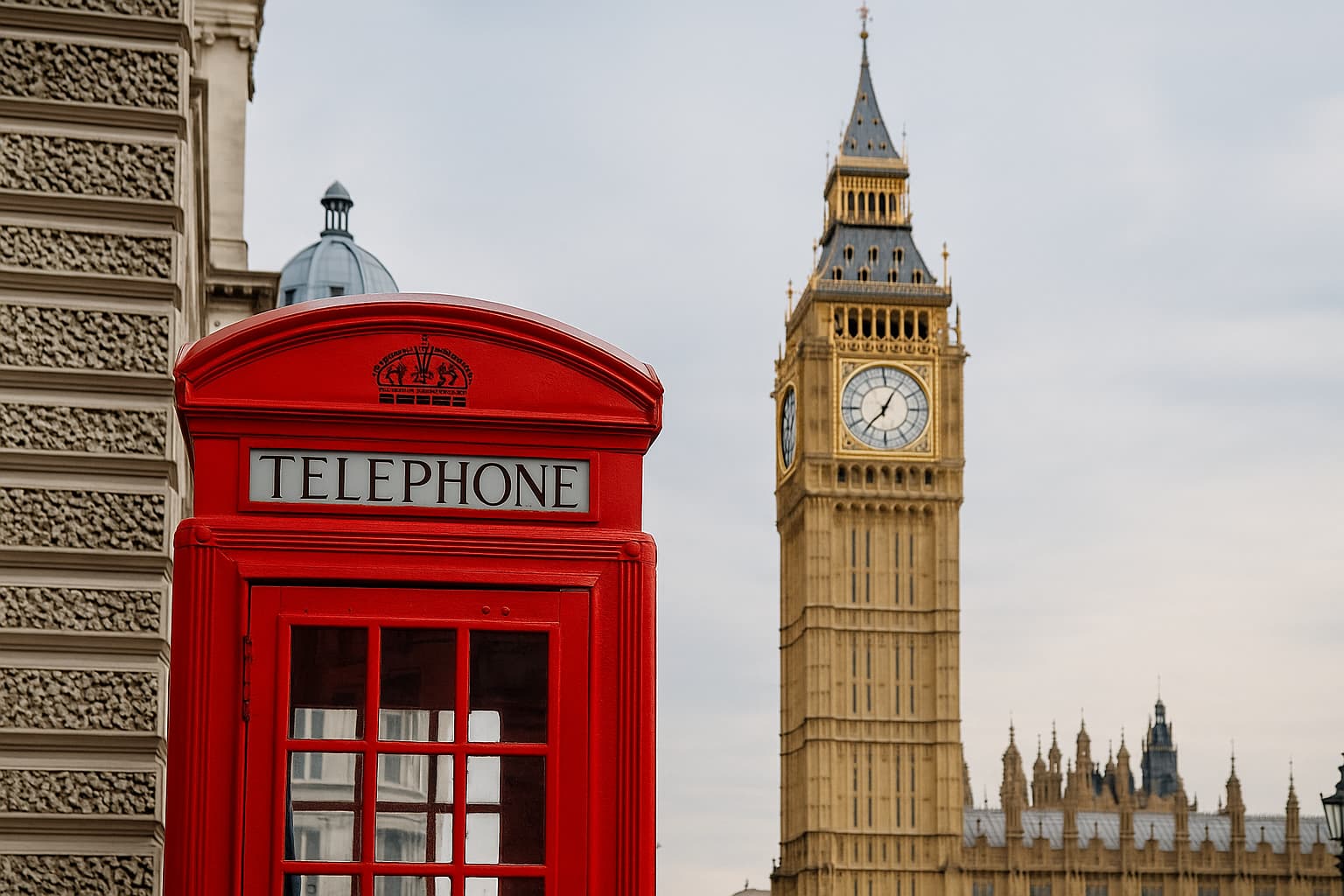
Life in England is full of unique habits, cultural traditions, and everyday behaviours that often surprise people visiting or moving from abroad. From unwritten social rules and etiquette to weather patterns, humour style, and lifestyle customs, foreigners frequently discover that daily life in England is very different from what they imagined. These surprises are not just amusing—they reveal meaningful insights about values, identity, and society.
Understanding these cultural nuances helps newcomers adapt more comfortably, communicate more effectively, and appreciate the charm behind English culture. This comprehensive guide explores 18 surprising aspects of life in England, explaining why they exist and how they influence everyday living.
Introduction
England is widely recognised around the world for its history, politeness, literature, football, the Royal Family, and iconic landmarks like Big Ben, the Tower of London, and Stonehenge. However, beyond these global symbols, the real essence of England lies in the daily habits and unwritten rules that shape how people work, socialise, travel, and communicate.
Foreign visitors and expats often discover that the reality of living in England is quite different from movie portrayals or tourist expectations. While the country feels familiar due to cultural influence and language, everyday life reveals a fascinating blend of structure, subtlety, humour, and tradition. Some customs may seem unusual at first, but they reflect deeper principles such as respect, fairness, privacy, and community.
This article explores 18 things foreigners commonly find surprising about life in England, offering clear explanations and cultural context to help anyone understand the lifestyle from an insider’s perspective.
1. England’s Constantly Changing Weather
Why It Surprises Foreigners
Many newcomers are shocked by how unpredictable the weather is in England. Sunshine, rain, clouds, and wind can occur all in a single afternoon, making planning outdoor activities a challenge.
What People Notice
- People always check weather apps before leaving home
- Carrying umbrellas and jackets year-round
- Weather discussed in almost every conversation
What It Says About English Culture
Weather talk is a polite social tool that allows strangers to interact comfortably. It avoids personal topics and creates friendly conversation without confrontation.
2. The Strong Respect for Queuing
The Importance of Fairness and Order
Foreigners are often surprised by how naturally queues form everywhere—bus stops, train platforms, shops, concerts, pharmacies, and even outside public restrooms. Cutting in line is socially unacceptable.
Key Observations
- Everyone waits patiently without complaining
- No pushing, crowding, or jumping ahead
- People will politely correct anyone who skips the queue
Cultural Message
Queuing represents equality, respect, and social discipline. It reflects how much English society values fairness and order in public life.
3. The Frequent Use of the Word “Sorry”
More Than an Apology—A Social Buffer
Foreigners are often confused when English people say “sorry” even when they did nothing wrong. The word is used to show politeness and empathy in everyday interactions.
Examples
- Saying sorry when someone else bumps into you
- Sorry used to politely interrupt or ask a question
- Sorry said to soften disagreement
Cultural Insight
English people prefer indirect communication and conflict avoidance. Apology culture makes interactions feel calm, respectful, and emotionally neutral.
4. Tea Culture as a Central Part of Life
Tea as a Comfort Ritual and Social Symbol
Many visitors expect tea to be popular in England, but they are surprised by how deeply it is integrated into social behaviour. Tea is an emotional anchor, not just a drink.
Common Experiences
- Tea offered to guests immediately upon arrival
- Workplace tea breaks every few hours
- Different preferences: Builders’ tea, Earl Grey, English Breakfast, herbal blends
Why It Matters
Tea is used to celebrate news, comfort stress, apologise after arguments, and strengthen relationships. The saying “Tea fixes everything” is taken seriously.
5. British Humour, Sarcasm, and Understatement
A Distinctive Communication Style
British humour often confuses foreigners because it is subtle, dry, and heavily based on irony, self-mockery, understatement, and sarcasm rather than loud laughter.
Where It Appears
- Office conversations
- Comedy shows and films
- Everyday casual interactions
Cultural Meaning
Humour is used to relieve tension, avoid emotional intensity, and build friendship indirectly. Understanding it takes time but is key to social connection.
6. Reserved Social Behaviour and Personal Boundaries
Social Distance vs. Emotional Depth
Visitors sometimes assume English people are cold or unfriendly, but the culture values privacy, personal space, and gradual relationship-building.
Typical Behaviour
- Little small talk with strangers on public transport
- Minimal physical contact such as hugs or cheek kissing
- Friendships form slowly but last long
Cultural Reasoning
Trust is earned gradually. Emotional restraint is seen as maturity and respect, not disinterest.
7. Pub Culture as a Central Part of Social Life
Why Foreigners Are Surprised by the Role of Pubs
For many newcomers, pubs in England are very different from bars in other parts of the world. Rather than places focused purely on drinking, pubs are community spaces where people gather to talk, eat, relax, and socialise. Families, older adults, students, and professionals all visit pubs regularly, not just young nightlife crowds. Many pubs have traditional interiors, cosy fireplaces, outdoor gardens, and long histories dating back centuries. Pub culture plays a major role in building friendships, celebrating milestones, and maintaining community identity.
What Foreigners Notice
- Ordering food and drinks at the bar rather than full table service
- Weekly traditions such as pub quizzes, Sunday roasts, and live sports screenings
- Pubs welcoming families and children during meal times
- Quiet, relaxed atmosphere compared to loud clubs or bars elsewhere
Cultural Insight
Pubs are viewed as social anchors—places where people connect without formality. They support community bonds and reflect England’s appreciation for comfort, routine, and togetherness.
8. Early Closing Times for Shops and Services
Why Early Closing Hours Feel Unexpected
Visitors from countries where shops stay open late are often surprised that many English stores close around 5–6 pm, and banks even earlier. While supermarkets and some large retailers may extend hours, many independent shops and high-street services follow traditional schedules. Sundays are especially slow, with reduced business hours and many places closed.
What Foreigners Notice
- Limited evening shopping options compared to other countries
- Restaurants open later, but non-food shops typically do not
- Weekend errands require earlier planning
- Government offices and banks maintain fixed hours
Cultural Insight
England historically prioritises work-life balance and personal time outside work. The culture values family time and rest rather than constant commercial operation.
9. Strong Respect for Personal Space and Boundaries
Why Personal Distance Surprises Visitors
People from more physically expressive cultures are often surprised by how carefully English people maintain personal space. Standing too close or touching casually during conversation may feel uncomfortable to locals. Social interactions typically begin more reserved and gradually build warmth over time.
What Foreigners Notice
- Minimal physical contact such as hugs or cheek kisses, especially with acquaintances
- Avoiding personal or intrusive questions
- Respectful distance when speaking or queuing
- Silence in public transport viewed as normal, not awkward
Cultural Insight
Personal space represents respect and emotional privacy. Friendship is built slowly and intentionally, with trust valued over speed.
10. Smaller Homes, Rooms, and Appliances
Space-Efficient Living Compared to Other Countries
Foreigners often find English homes significantly smaller than what they are used to, especially those from the United States, Canada, Australia, or parts of Asia. Bedrooms, kitchens, and bathrooms are compact, and appliances such as fridges, ovens, and washing machines are smaller than international expectations. This reflects historic architecture, dense cities, and high property prices.
What Foreigners Notice
- Narrow staircases and hallways
- Small refrigerators and washer–dryer combinations
- Limited storage space compared to modern global trends
- Compact bathrooms and small bedrooms
Cultural Insight
Efficient living is considered normal, encouraging organisation, minimalism, and practical furniture choices. Space-saving creativity is a key part of English lifestyle design.
11. Politeness and Indirect Communication Style
English People Rarely Say Things Directly
Foreigners are often fascinated by how English people soften statements and avoid confrontation. Instead of being direct or blunt, they use polite phrasing to protect feelings and preserve harmony. This indirect style may confuse outsiders who are used to more straightforward speech.
What Foreigners Notice
- Frequent use of phrases like “Would you mind…?”, “Maybe we could try…”, “I’m afraid that might be difficult”
- Avoiding strong disagreement in public
- Using humour or understatement instead of emotional expression
- Saying “not bad” to mean “very good”
Cultural Insight
English communication values respect, subtlety, and calmness. Politeness is seen as a sign of emotional self-control and cultural dignity.
12. Public Transport Etiquette and Quiet Commuting
Unspoken Rules About Using Trains, Buses & the Tube
Public transport is a major part of daily life in England, especially in large cities like London and Manchester. Foreigners are often surprised by the quiet, orderly behaviour expected on buses, trains, and underground systems. Speaking loudly, playing music without headphones, or blocking doorways is seen as disrespectful.
What Foreigners Notice
- Silence during morning commutes is normal
- People rarely speak to strangers unless necessary
- Standing on the right side of escalators, walking on the left
- Apologising when brushing past others
Cultural Insight
Transport etiquette reflects national values of efficiency, shared respect, and calm public environments.
13. Driving Culture, Road Rules, and Roundabouts
What Foreigners Find Surprising About Driving in England
Visitors are often surprised by England’s driving culture, rules, and road layout—particularly driving on the left side and the widespread use of roundabouts instead of traffic lights. Roads are narrower than in many countries, especially in villages and older towns, requiring careful control and patience. Parking is limited and costly in cities, and many drivers rely on public transport instead.
What Foreigners Notice
- Heavy use of roundabouts and strict lane discipline
- Narrow countryside roads with stone walls and minimal shoulder space
- High cost of fuel, insurance, and parking
- Strong emphasis on driving courtesy and giving way
Cultural Insight
England prioritises careful, controlled driving rather than speed or aggressive behaviour. Courtesy on the road reflects values seen elsewhere in society—respect, order, and cooperation.
14. Cultural Diversity and Multicultural Living
A Blend of Global Communities and Shared Traditions
One of the biggest surprises for foreigners is the level of cultural diversity across England. Major cities such as London, Birmingham, Leicester, and Manchester are home to communities from around the world, influencing food, festivals, language, fashion, and social identity. Many foreigners find comfort in seeing multicultural representation everywhere.
What Foreigners Notice
- Wide variety of global cuisines, religious spaces, and cultural shops
- Multilingual communities and accents from every region
- Celebrations of festivals like Diwali, Eid, Chinese New Year, Pride, Caribbean Carnival
- Harmonious coexistence across cultures
Cultural Insight
Modern England is built on inclusivity and immigration history. Diversity is not unusual—it is a normal and valued part of everyday life.
15. British Food Culture vs Expectations
The Reality vs Stereotypes
Foreigners sometimes arrive expecting bland or limited food options due to outdated stereotypes about British cuisine. However, they often discover a vibrant food culture with an emphasis on global flavours, street food, farm-to-table freshness, and fusion creativity. Traditional dishes like Sunday roast, fish and chips, and full English breakfast coexist with international influences.
What Foreigners Notice
- Powerful global food scene with restaurants from every culture
- Popularity of Indian, Chinese, Italian, Turkish, African, and Middle Eastern cuisine
- Love for baking, desserts, and pastries
- Strong pub food tradition and food festivals
Cultural Insight
Modern Britain embraces multicultural food identity, reflecting its diverse population and openness to international flavour experiences.
16. Heating Habits and Weather Lifestyle Adjustments
Living Daily Life in a Cold and Wet Climate
Foreigners from warmer regions are often surprised by the reliance on heating systems inside homes. Central heating is used extensively in winter, and many homes feel colder compared to other countries because insulation varies greatly between old and new buildings. People adapt through layered clothing, hot water bottles, electric blankets, and heavy coats.
What Foreigners Notice
- People enjoy sitting outside cafes even in cold weather—wearing coats and drinking hot drinks
- Rain is frequent but life continues normally without cancellation
- Sunlight is celebrated with sudden outdoor activities and park visits
- Daylight hours change drastically between seasons
Cultural Insight
Weather shapes lifestyle mindset—resilience, adaptability, and appreciation for small joys like sunshine.
17. Cashless Payments and Digital Banking Culture
Modern, Fast, and Technology-Driven Finance
Foreign visitors are often surprised by how quickly England adopted cashless payments. Contactless cards, phone payments, digital wallets, and online banking are standard everywhere—from supermarkets to street markets. Many places no longer accept cash at all, especially in big cities.
What Foreigners Notice
- Tap-and-go payments used constantly
- Mobile apps used for bills, banking, and money transfers
- ATMs used less frequently
- Digital receipts replacing paper
Cultural Insight
Efficiency and speed drive financial behaviour. People value convenience and trust secure technology.
18. National Holidays, Celebrations, and Seasonal Traditions
Festive Customs Foreigners Find Interesting
English celebrations differ significantly from other countries, especially around Christmas, Bonfire Night, New Year’s, and events like Remembrance Day and bank holidays. Christmas traditions such as mince pies, crackers, jumpers, and Boxing Day often surprise newcomers. Local village fairs, country shows, and seasonal festivals add strong community spirit.
What Foreigners Notice
- Big emphasis on decorations, carols, and holiday adverts
- Guy Fawkes Night fireworks every November
- Bank Holiday weekends used for travel and outdoor activities
- Strong pride in cultural heritage celebrations
Cultural Insight
Tradition and community spirit are core aspects of English identity, connecting people across generations.
What Foreigners Commonly Find Surprising About Life in England
| Topic | What Foreigners Notice | Why It Feels Surprising | Cultural Meaning |
|---|---|---|---|
| Weather | Constant changes & importance of forecasts | Unpredictable hour-to-hour shifts | Creates social bonding & conversational comfort |
| Queuing Culture | Structured, polite lines everywhere | Respectful silent waiting is rare elsewhere | Symbol of fairness, order & equality |
| Communication Style | Indirect speech & frequent “sorry” | Soft tone vs directness in other cultures | Politeness & emotional control |
| Pub Culture | Family-friendly social hubs | More than drinking venues | Community identity & connection |
| Personal Space | Limited touch & private conversations | Reserved behaviour seems distant at first | Respect for boundaries & privacy |
| Housing Size | Smaller rooms & appliances | Space limitations unusual to many | Practicality & efficiency |
| Transport Etiquette | Quiet travel & escalator rules | Silence feels unusual | Respect for shared environments |
| Driving & Road System | Roundabouts, narrow roads & left-side driving | Very different from international norms | Safety, precision & courtesy |
| Diversity | Global cultures side by side | More multicultural than expected | Inclusivity as everyday normal |
| Cashless Life | Tap payments everywhere | Cash becoming unnecessary | Convenience & tech confidence |
| Food Culture | Broad global cuisine variety | Not just traditional British food | Fusion culture & openness |
| Weather Lifestyle | Outdoor living in cold or rain | Activity continues despite weather | Resilience & adaptability |
| Holiday Traditions | Unique seasonal celebrations | Different from global norms | Community celebration & heritage |
Frequently Asked Questions (FAQs)
1. Why do foreigners find the social behaviour in England reserved at first?
Foreigners often perceive English people as reserved because social interactions begin more formally and cautiously compared to cultures that communicate with immediacy or emotional expression. English society values privacy, modesty, and respectful distance, so people avoid intrusive questions or physical contact with strangers. This behaviour aims to prevent discomfort rather than create distance. Once trust develops, English friendships tend to be loyal, deeply supportive, and long-lasting. The reserved nature is less about coldness and more about respecting boundaries and emotional space.
2. Why is queuing such an important part of English culture?
Queuing is seen as a sign of fairness and social discipline. Rather than pushing ahead or arguing, people patiently wait their turn because equality and respect are highly valued traits in English society. Historically, rationing periods during wartime reinforced structured queuing habits. Today, forming orderly lines demonstrates courtesy and community responsibility, helping avoid chaos in busy public spaces. Cutting the queue is considered extremely rude and will almost always attract collective disapproval. The queue reflects the national belief in calm problem-solving and shared respect.
3. Why do English people say “sorry” so often?
The word “sorry” in England functions as a social lubricant rather than an admission of guilt. It helps maintain politeness, reduce tension, and protect emotional comfort in everyday interactions. English communication avoids confrontation and directness; therefore, “sorry” softens requests, interruptions, or disagreements. People may say sorry even when someone else caused the inconvenience, simply to keep conversation polite and neutral. It reflects the cultural preference for calmness, empathy, and subtle expression. Understanding this helps foreigners adapt to English communication dynamics more easily.
4. Why is tea such an important part of daily life in England?
Tea is a meaningful cultural symbol in England representing warmth, hospitality, comfort, and togetherness. Unlike countries where tea is treated casually, in England it is deeply tied to both social interaction and emotional wellbeing. People offer tea when guests arrive, during break times at work, after stressful moments, in celebrations, and even while problem-solving. The phrase “Let’s have a cup of tea” is often a polite way to pause, calm emotions, or start conversation. Tea culture expresses care and connection more than caffeine habits.
5. Why do shops close so early compared to other countries?
Many foreigners expect late-night shopping availability but discover that most English high-street shops close between 5 pm and 6 pm, reflecting a cultural emphasis on work-life balance. Historically, Sunday trading restrictions and strong labour protections prioritised time with family over extended business hours. While large supermarkets and online shopping fill the gap, early closures reinforce the idea that life should not revolve solely around work or commerce. This contrasts with countries where retail remains open late into the evening for convenience or tourism.
6. Why is public transport behaviour so quiet and structured?
Silence on public transport is seen as a sign of respect for shared space rather than avoidance of communication. Commuters value personal time to read, listen to music, or reflect privately. Loud talking, phone calls, or music without headphones are considered inconsiderate. Unwritten rules also include standing on the right side of escalators, letting passengers exit trains before boarding, and apologising if passing by someone. This behaviour allows large crowds to move efficiently while maintaining a calm environment, especially during busy morning travel.
7. Why is England more multicultural than many foreigners expect?
Modern England has been shaped by centuries of immigration, trade, and cultural exchange. Cities such as London, Birmingham, Manchester, and Leicester include communities from Asia, Africa, Europe, the Middle East, and the Caribbean. This diversity influences food, fashion, language, festivals, and everyday social identity. Many foreigners are surprised by the openness toward multi-ethnic communities and the normality of global cultures living together. Multiculturalism strengthens innovation, cuisine, business, and creativity. Instead of viewing diversity as unusual, England embraces it as a defining characteristic.
Conclusion
A Culture of Subtlety, Tradition, and Quiet Strength
Life in England often feels full of contradictions—reserved yet friendly, traditional yet modern, orderly yet creative, cold weather yet warm hospitality. For foreigners, these cultural habits can initially feel unusual or confusing, but they reveal a society built on respect, fairness, modesty, and community connection. England balances history with innovation and politeness with individuality, creating a lifestyle that values stability, calmness, and thoughtful communication.
A Country That Rewards Understanding and Adaptation
The surprises foreigners experience are part of the journey of cultural discovery. Once understood, these differences become endearing and often deeply appreciated. England teaches patience, subtle humour, emotional intelligence, resilience, and the beauty of quiet traditions. Whether visiting, studying, or living long-term, embracing these cultural nuances creates richer relationships and meaningful connection. England’s unique character continues to inspire curiosity, respect, and admiration around the world.