









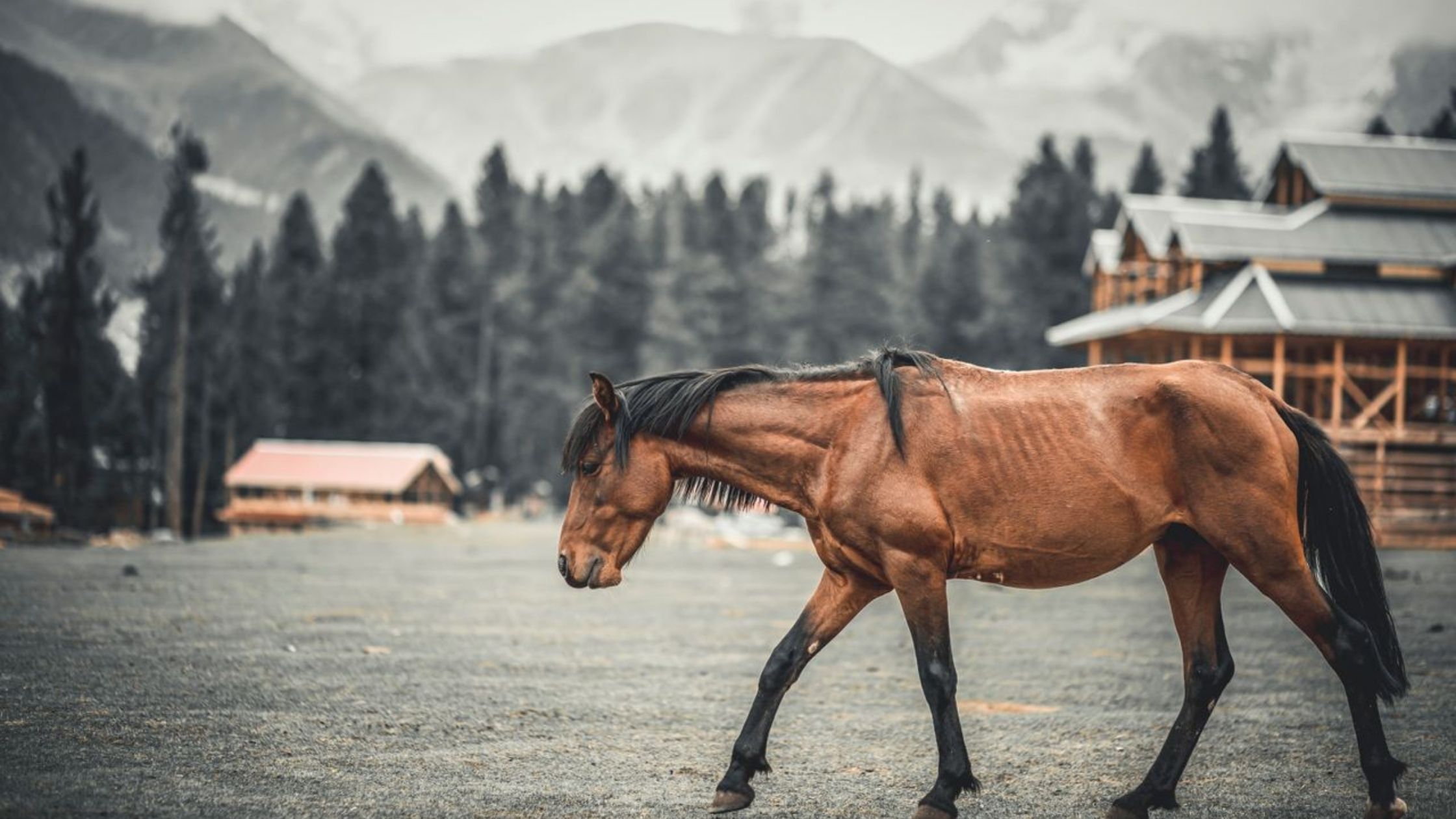
The horses arrive at Shandur before the crowds. At roughly 3,700 metres above sea level, they need time to adjust to the thin air before galloping across a mountain field for close to an hour. Players from Chitral and Gilgit-Baltistan arrive early for the same reason.
By the time the first match begins, thousands of spectators have made the long road journey to the pass. Tents spread across the plateau, food stalls begin serving tea and meat dishes, and supporters settle onto the rocky slopes around the polo ground. Many have travelled for days to get there.
International visitors planning around flights to Pakistan need to treat Shandur as a high-altitude journey rather than a simple festival weekend. The polo lasts three days, but reaching the pass safely, adjusting to the elevation and returning through the mountains can turn the trip into a ten-day itinerary.
The 2026 final went down to the last minute
The Shandur Polo Festival returned from 11 to 13 June 2026, with teams from Chitral and Gilgit-Baltistan meeting in the main competition. Their rivalry is the heart of the event, drawing supporters from both sides of the pass.
Gilgit-Baltistan won the final 6-5, ending a wait of more than a decade for another Shandur title. Chitral led 5-4 at half-time, but Gilgit-Baltistan equalised late and scored the winning goal in the final minute.
The pace of the match bears little resemblance to club polo played on a carefully maintained field. Shandur uses a freestyle form of the sport associated with the mountain regions of northern Pakistan. Play is fast and physical, with fewer interruptions and a greater tolerance for contact.
The ground itself changes the contest. It is smaller than a standard polo field, the surface can be uneven and the altitude places heavy demands on riders and horses. Injuries are a real risk. Two Gilgit-Baltistan players left the field during the 2026 final, and both teams completed the second half with four players.
Support is strongly regional. Chitral remains the most successful side in the event’s history, while a Gilgit-Baltistan victory can prompt celebrations well beyond the plateau. Visitors are welcome, but the match carries meaning that goes deeper than spectacle. Families and supporters have followed these teams for years.
Reaching Shandur takes time
The pass lies between Chitral and Gilgit-Baltistan, so travellers can approach from either direction. Both routes involve long hours on mountain roads, and conditions can change after rain, landslides or flooding.
The eastern approach begins in Gilgit and continues through the Ghizer Valley. Phander makes a sensible overnight stop, both for the scenery and because it breaks up the drive. From there, the road climbs towards the plateau through settlements where accommodation remains limited.
The western route runs from Chitral through Mastuj and the Laspur Valley. Chitral town has the strongest range of hotels on this side, while Mastuj and Laspur offer smaller guesthouses. Travellers should not rely on finding an available room near the pass once the festival has begun.
Road times vary too much for a tight connection. A journey described locally as five hours may take considerably longer if traffic is heavy or a section of road has deteriorated. Festival vehicles, police checks and convoys can create additional delays.
Domestic flights to Chitral or Gilgit may save time, but mountain weather can disrupt schedules. A sensible itinerary includes spare days and does not place an international departure immediately after the return from Shandur.
The altitude is felt before the first match
Someone arriving directly from Islamabad can gain more than 3,000 metres in elevation over a short period. That is enough to cause altitude sickness, regardless of age or fitness.
A headache, nausea, dizziness, unusual tiredness and disturbed sleep should be taken seriously. The safest plan is to spend time at a lower elevation in Chitral, Gilgit or Phander before sleeping at Shandur. Travellers should ascend gradually where possible, drink water regularly and avoid heavy drinking.
Symptoms that become severe or continue to worsen require descent and medical attention. A festival ticket or expensive tour booking is never a reason to remain at altitude when someone is unwell.
The weather adds another layer. Strong sunshine during the day can be followed by a rapid fall in temperature after sunset. Wind moves freely across the open plateau, and rain can make the ground cold and muddy within minutes.
Warm layers, waterproof outer clothing, sun cream, a hat and sturdy footwear all belong in the same bag. Anyone camping needs a sleeping bag rated for cold nights, not a lightweight summer model chosen for conditions in Islamabad.
Camping is part of Shandur
There is no large hotel beside the polo ground. Most visitors who stay on the pass sleep in tents, either in organised camps or with equipment carried from elsewhere.
The setting is memorable, but facilities are basic. Temporary arrangements may provide water, electricity, communications and medical support during the festival, yet these should not be mistaken for permanent tourist infrastructure. Mobile coverage can be unreliable and washing facilities limited.
A supported camp is the easier option for an overseas visitor. Reputable operators provide tents, meals, transport and staff who understand the road and altitude. Before booking, travellers should ask what bedding is supplied, how drinking water is treated, what toilet arrangements are used and whether emergency oxygen or first-aid support is available.
Food stalls serve the crowds, but relying on them for every meal can be difficult for anyone with allergies or dietary restrictions. Carrying snacks and a reusable bottle reduces that problem. Water still needs to come from a safe source.
The night is often as memorable as the polo. Music carries across the camp, people gather around fires and the temperature drops under a clear sky. Sleep may be interrupted by noise, cold or the effects of altitude, so the following morning should not begin with a demanding walk.
The polo shares the plateau with music and dance
Matches occupy the centre of the day, while regional music, dance and other displays fill the spaces around them. Performers from Chitral and Gilgit-Baltistan bring distinct instruments, clothing and traditions to the same event.
Food stalls provide another point of contact. Meat, bread, rice and tea suit the cold conditions, though menus vary between vendors and years. Sitting down for a meal away from the main ground often leads to more natural conversation than approaching people solely for photographs.
Visitors should ask before photographing individual performers, riders or families. A long lens is useful during polo, but it should not become an excuse to treat everyone around the field as part of a staged display.
Modest clothing suits the setting. The audience has historically been predominantly male, although families attend and women take part in the wider celebrations. Overseas visitors attract attention, usually friendly, but the festival remains a local sporting occasion rather than an event designed around foreign guests.
More visitors leave a physical mark
Shandur’s popularity brings waste, vehicle pressure and damage to a fragile high-altitude environment. Thousands of people camping on the same plateau create rubbish and place heavy demand on water and sanitation.
The neighbouring lake and grazing land support wildlife and local livestock outside festival week. Plastic packaging, food waste and disposable camping gear do not disappear when the final vehicles leave.
Travellers should carry their rubbish away if proper collection is unavailable. Refillable bottles, reusable cutlery and minimal packaging reduce what has to be managed at the pass. Driving off established tracks can damage grassland that takes time to recover in a short growing season.
Choosing a locally based operator also affects where the money goes. Drivers, guides, cooks and camp staff from Chitral, Ghizer or Gilgit-Baltistan understand the area and are more likely to spend their income within the mountain economy.
Shandur can absorb visitors only if the event is treated as a temporary use of shared pasture, not an empty festival site waiting to be occupied.
The road home should be different
Returning by the same route is the simplest option, but crossing the pass gives the journey a better shape. Travellers can arrive through Chitral and continue east through Phander towards Gilgit, or reverse the route.
This avoids retracing several long drives and connects two parts of northern Pakistan that feel markedly different. It also places the polo within the valleys that supply its players, horses and supporters.
The final score may be what enters the record books, but Shandur is better understood through the journey around it. The early arrival of the horses, the cold nights in camp and the difficult road explain why a one-goal victory at this altitude can matter for years.