









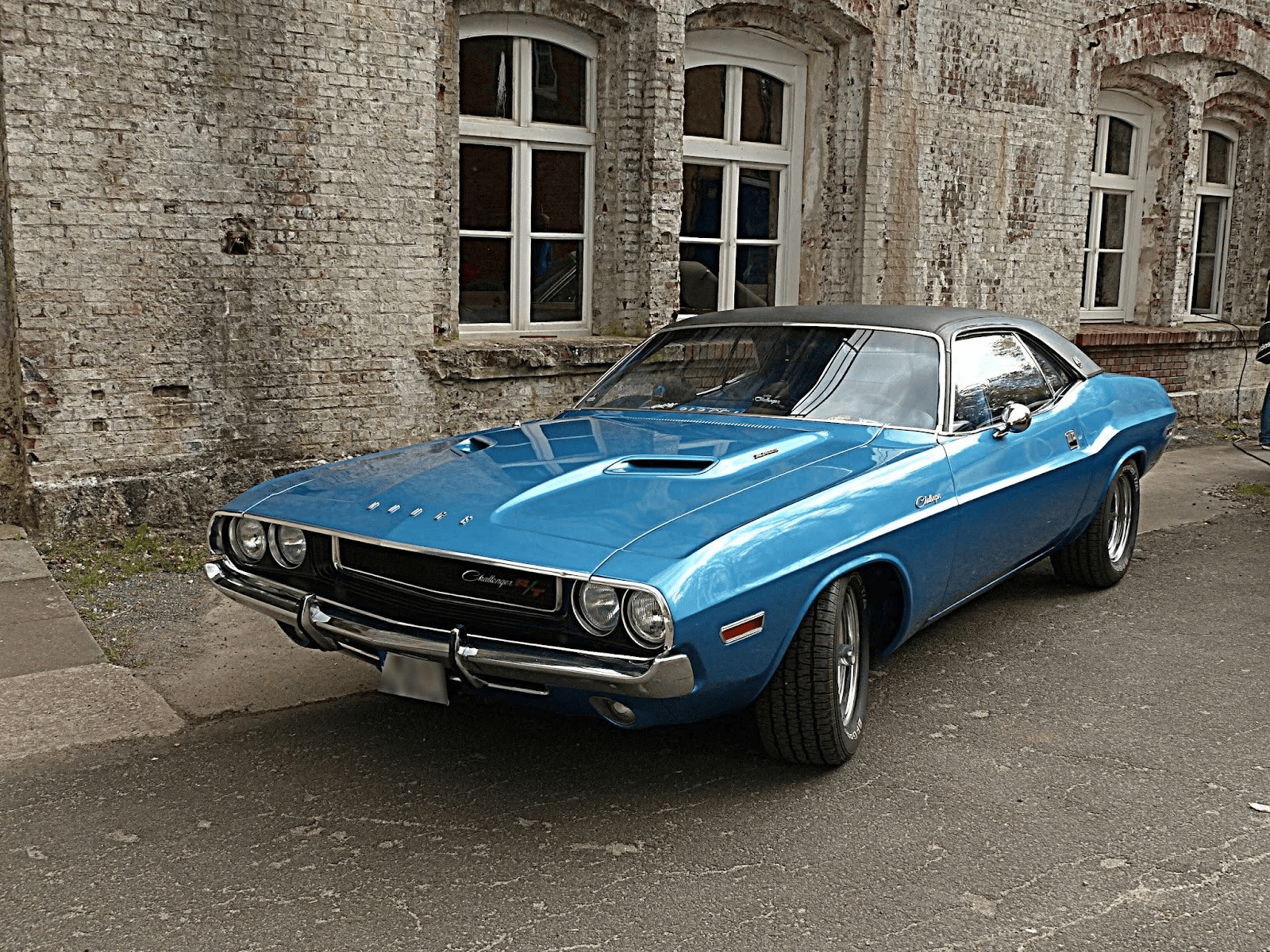
Restoring a classic muscle car is a process that goes far beyond mechanical work. It’s a careful reconstruction of history—one that requires precision, patience, and a deep respect for the original engineering. For enthusiasts and collectors alike, restoration is not simply about bringing a car back to life; it’s about preserving the authenticity and character that made it iconic in the first place.
Among American muscle cars, few names carry as much weight as the late-1960s Mustang. Its legacy continues to shape restoration practices today, influencing how builders approach everything from sourcing parts to maintaining historical accuracy. As demand for restored classics grows, so does the importance of understanding what truly defines a high-quality restoration.
What Sets True Restoration Apart
A proper restoration differs significantly from a basic rebuild. While a rebuild may focus on functionality, restoration prioritizes authenticity. This includes matching original specifications, using correct materials, and maintaining the integrity of the vehicle’s design. Every detail, from paint codes to engine components, contributes to the overall value and credibility of the finished car.
Achieving this level of accuracy requires extensive research and access to specialized knowledge. Builders often rely on historical documentation, factory records, and period-correct parts to ensure that the vehicle reflects its original form as closely as possible.
The Challenges of Restoring Iconic Muscle Cars
Sourcing Authentic Components
One of the most significant challenges in restoration is finding original or correct replacement parts. As time passes, these components become increasingly rare, making them both difficult and expensive to acquire. In some cases, builders must rely on meticulously crafted reproductions that replicate the original specifications.
This scarcity is part of what drives the value of restored vehicles. A car that retains a high percentage of original components—or uses accurate replacements—tends to command greater respect within the collector community.
Balancing Authenticity with Usability
Another challenge lies in deciding how far to go with authenticity. While purists may prefer a completely original build, others seek subtle upgrades that improve drivability and safety. This balance can be difficult to achieve, as even minor modifications can impact the vehicle’s historical integrity.
Builders must carefully evaluate each decision, ensuring that any updates enhance the driving experience without detracting from the car’s original character.
The Legacy of the 1969 Boss 429 Mustang
The 1969 Boss 429 Mustang represents one of the most celebrated chapters in muscle car history. Originally engineered for racing homologation, it quickly gained a reputation for its powerful engine and distinctive design. Its limited production numbers and performance capabilities have made it one of the most sought-after Mustangs ever built.
Because of its significance, restoring a Boss 429 requires an exceptional level of expertise. Enthusiasts interested in a classic 1969 Boss 429 Mustang restoration often look for specialists who understand the nuances of the model and can replicate its original specifications with precision. These projects are as much about preserving history as they are about craftsmanship.
The attention to detail required for such restorations highlights the broader importance of maintaining authenticity within the collector market.
How Restoration Influences Market Value
The Role of Documentation and Provenance
A well-documented restoration can significantly enhance a vehicle’s value. Records detailing the restoration process, including photographs, receipts, and historical verification, provide buyers with confidence in the car’s authenticity. Provenance—knowing the vehicle’s history and ownership—also plays a critical role in determining its worth.
Collectors are often willing to pay a premium for cars that come with comprehensive documentation, as it reduces uncertainty and reinforces the vehicle’s legitimacy.
Market Perception and Cultural Relevance
The value of classic muscle cars is also influenced by their cultural significance. Vehicles that have maintained a strong presence in automotive history and popular culture tend to attract consistent demand. This enduring appeal helps stabilize their value over time.
Exploring how different Ford models have shaped automotive design, such as in this guide to what to know about a reg check before buying a car, provides additional context for understanding how brand evolution impacts collector interest.
Modern Driving Experiences vs. Classic Feel
Driving a restored classic is a fundamentally different experience from operating a modern vehicle. There’s a rawness to it—the sound of the engine, the feel of the steering, and the direct connection to the road. These elements are often absent in contemporary cars, which prioritize refinement and technological assistance.
However, modern performance vehicles still draw inspiration from their predecessors. Insights from this look at driving a modern Mustang illustrate how current models attempt to capture some of that classic feel while incorporating advanced features.
This relationship between past and present underscores the continued relevance of classic muscle cars in shaping the driving experience.
Why Restoration Remains Relevant Today
As the automotive industry moves toward electrification and automation, restoration offers a way to preserve a more analog form of driving. It allows enthusiasts to engage with vehicles that prioritize mechanical simplicity and driver involvement.
This relevance extends beyond nostalgia. Restored classics serve as benchmarks, reminding manufacturers and drivers alike of the qualities that make a car truly engaging. They provide a point of reference in an industry that is constantly evolving.
For many, restoration is not just about preserving the past—it’s about ensuring that the essence of driving remains intact for future generations.
Conclusion
Classic muscle car restoration is a discipline that blends history, engineering, and artistry. It requires a commitment to authenticity and a deep understanding of what makes each vehicle unique. Whether restoring a rare model like the Boss 429 or a more accessible classic, the goal remains the same: to preserve a piece of automotive heritage.
As interest in these vehicles continues to grow, the importance of quality restoration becomes even more pronounced. Done correctly, it not only enhances the value of the car but also ensures that its story can be experienced and appreciated for years to come.