










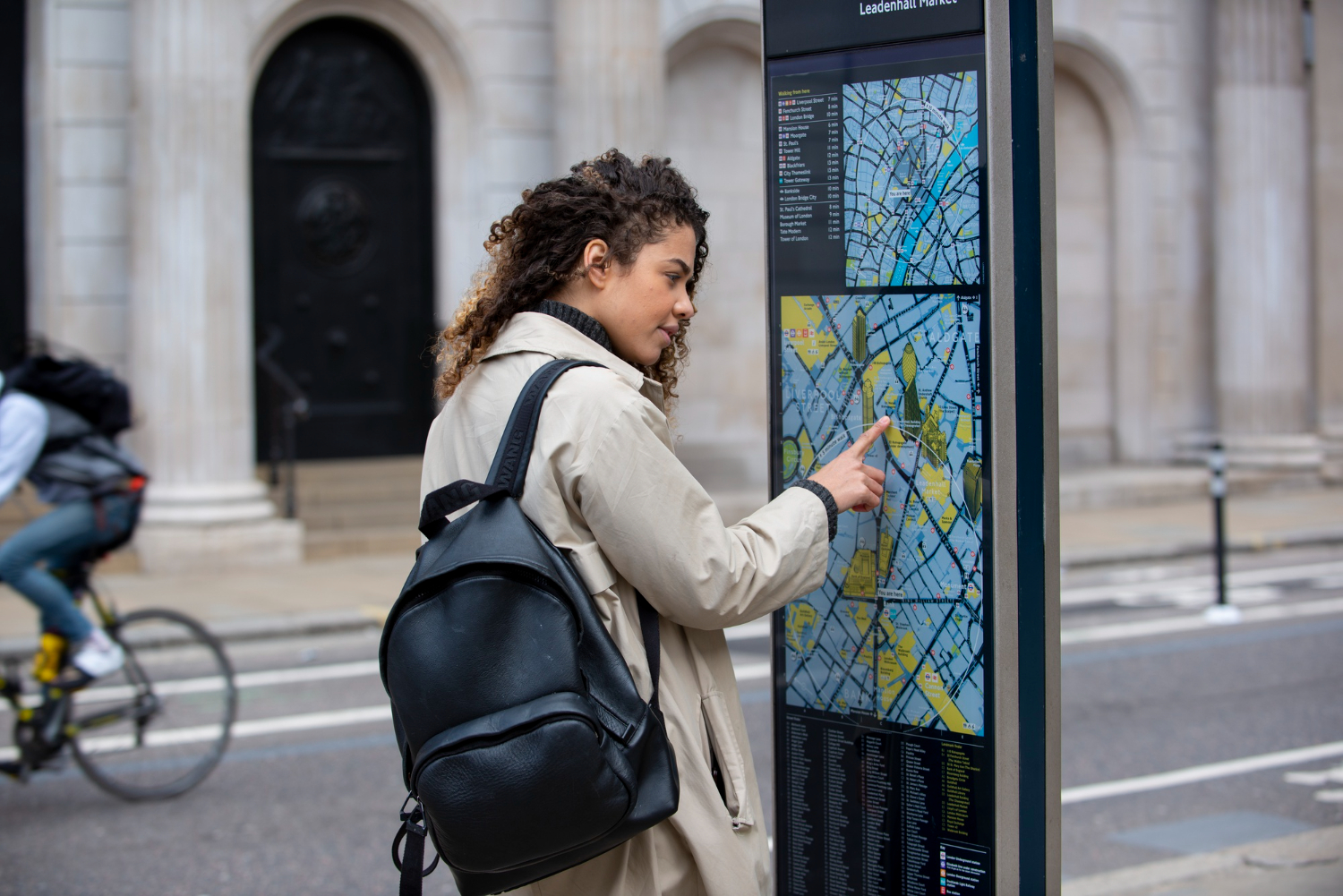
As cities grow and daily travel becomes increasingly complex, finding convenient ways to get around is more important than ever. From buses and trains to bicycles, taxis and shared electric scooters, modern commuters have more transport options than ever before. However, navigating these different services can sometimes feel unnecessarily complicated. This is where the term Bumetro has started attracting attention online.
Bumetro is commonly associated with the idea of smarter, more connected urban transportation. The concept centres on bringing different modes of transport together, allowing travellers to plan an entire journey without having to switch between multiple apps or transport providers. It reflects the broader development of smart mobility and Mobility as a Service (MaaS), both of which use digital technology to make travel more accessible, efficient and sustainable.
However, it is important to clarify that Bumetro does not currently have the established public identity of recognised transport services such as London Underground, Uber or Citymapper. Public information about the name remains limited, and some online descriptions are inconsistent. It is therefore more accurate to explore Bumetro as an emerging smart-mobility concept rather than assume that every feature associated with it belongs to an officially established platform.
So, what exactly does Bumetro represent? How could this approach improve everyday journeys, and why is it attracting interest? Let’s take a closer look.
What Is Bumetro?
Bumetro is a term often associated with integrated urban mobility and smarter ways of navigating city transport.
Imagine travelling from your home to your workplace in a busy city. There is no direct bus connection, the nearest railway station is several kilometres away, and driving the entire distance may take longer because of traffic.
Your journey might involve taking a bus to the station, catching a train towards the city centre and walking the remaining distance to your office.
Normally, organising this journey could mean checking several transport websites or applications to compare routes, departure times and connections.
A Bumetro-style mobility system aims to simplify that process by looking at the entire journey rather than treating each transport option separately.
Instead of planning individual bus, train or walking routes, travellers could access a connected journey that brings everything together in one place.
The objective is straightforward: make getting from one destination to another easier, more convenient and less stressful.
Why Is Bumetro Attracting Attention?
Urban transportation is changing rapidly. As populations increase and cities expand, people are becoming more dependent on different forms of transport to manage their daily journeys.
Commuters no longer rely exclusively on private cars or a single bus route. Depending on where they live, they might combine trains, buses, taxis, bicycles, electric scooters and walking.
Although having more choices is beneficial, it can also make travel planning more complicated.
Travellers regularly face questions such as:
- Which route will get me there fastest?
- Is public transport cheaper than taking a taxi?
- Will my connecting train arrive on time?
- Can I combine cycling with a train journey?
- Is there a more convenient alternative if my bus is delayed?
Smart mobility platforms aim to answer these questions by bringing relevant travel information together.
This growing interest in connected transportation helps explain why concepts associated with Bumetro are attracting attention online.
Bumetro and Mobility as a Service (MaaS)
To understand the wider idea behind Bumetro, it helps to become familiar with Mobility as a Service, commonly known as MaaS.
MaaS is an approach to transportation that connects different travel services through digital platforms. Rather than requiring passengers to manage every transport provider independently, it aims to create a more coordinated travel experience.
Think about how streaming platforms bring different films and television programmes together in one place. Mobility as a Service applies a similar principle to transportation.
A traveller enters their starting point and destination. The platform then presents available ways to complete the journey, potentially combining several transport options.
For example:
Home → Walk → Bus → Train → Walk → Office
Instead of researching every part of the journey separately, the traveller can view the complete route and compare alternatives.
Depending on the platform, MaaS solutions may also incorporate ticketing, payments and real-time transport updates.
This is the wider technology landscape in which the Bumetro concept is often discussed.
How Would a Bumetro-Style System Work?
A connected mobility platform would generally begin with two basic details: the traveller’s current location and their intended destination.
Using this information, the system could examine available transport services and identify suitable routes.
For example, someone travelling across a city might have three options:
- Public transport: Take a bus and train before walking to the destination.
- Private transport: Book a taxi for a direct journey.
- Active travel: Walk or cycle for some or all of the distance.
Each option could be presented with estimated journey times, transfer information and, where reliable data is available, approximate costs.
Travellers could then choose an option based on their priorities rather than automatically following a single recommended route.
Multimodal Route Planning
One of the most important ideas associated with connected urban mobility is multimodal route planning.
The term refers to combining different forms of transportation within one journey.
For instance, you might walk from home to a bus stop, take a bus to the railway station, travel by train and walk the final few minutes to work.
You are already completing a multimodal journey, even if you have never used that particular term.
Digital mobility tools aim to make these journeys easier to organise by arranging each stage in a logical sequence.
This can be especially useful in larger cities, where reaching a destination often requires several connections.
Real-Time Transport Updates
A journey planner is only useful when its information is reasonably accurate.
Imagine checking an application before leaving home and seeing that your bus is expected at 8:20 am. You arrive at the stop early, only to discover that the service has been delayed by 25 minutes.
Without updated information, your carefully planned journey can quickly become inconvenient.
Real-time transport data helps address this problem. Where transport operators provide live information, connected platforms can display updated arrival times, departure changes and service disruptions.
Some systems can also suggest alternative routes when a planned connection is delayed or cancelled.
For everyday commuters, these updates can make a meaningful difference by reducing unnecessary waiting and helping them adjust their plans.
Comparing Journey Times
The fastest route is not necessarily the most suitable one.
Consider two possible journeys. The first takes 30 minutes by taxi but costs considerably more. The second takes 38 minutes using a combination of walking and public transport.
Someone heading to an important meeting might prefer the quicker option, while a student travelling to university every day may be more interested in saving money.
A useful mobility platform should recognise that different travellers have different priorities.
Rather than presenting one route as the obvious winner, it should make comparisons straightforward and allow users to decide what works best for them.
Can Bumetro Help Travellers Compare Transport Costs?
Cost is another important consideration when choosing how to travel.
A taxi may offer convenience, particularly when someone is carrying luggage or travelling late at night. However, a bus or train may be considerably more affordable.
Shared bicycles can also provide an economical alternative for shorter distances, depending on local availability and pricing.
A connected mobility platform could make these differences easier to understand by displaying estimated costs alongside journey times.
For example:
- Fastest journey: 24 minutes.
- Cheapest journey: 39 minutes.
- Walking and public transport: 31 minutes.
Having this information in one place could help travellers make more informed decisions.
However, estimated fares should not be confused with guaranteed prices. Actual transport costs can vary according to local fare zones, operator policies, demand and additional charges.
Bumetro and More Sustainable Travel
Sustainability is becoming an increasingly important part of conversations about urban transportation.
Heavy reliance on private cars contributes to road congestion, fuel consumption and air pollution. Public transport offers an alternative by allowing more people to travel using fewer individual vehicles.
Walking and cycling can also reduce dependence on motorised transport, particularly for shorter journeys.
A smart mobility system could encourage more sustainable choices by making alternative routes easier to discover.
For example, a commuter who normally drives to work might discover that walking to a nearby railway station and completing the journey by train is both practical and less expensive.
Presenting journey options alongside relevant environmental information could help travellers understand the potential impact of their choices.
Of course, not everyone can replace driving with public transport. Distance, accessibility, safety and local infrastructure all influence travel decisions.
Nevertheless, making sustainable options more visible is an important step towards improving urban mobility.
Why Public Transport Infrastructure Still Matters
Digital technology can improve the way people plan their journeys, but it cannot replace the transport infrastructure that makes those journeys possible.
An attractive application is of little use if buses are unreliable, railway services are limited or stations are difficult to access.
Similarly, even the most advanced route-planning system cannot create transport connections where none exist.
Smart mobility works best when supported by reliable public transport networks, accessible stations and cooperation between transport operators.
It is helpful to think of digital platforms as the planning layer of urban transportation. They organise information and help passengers make decisions, while the actual buses, trains, roads and stations provide the services.
Both elements are necessary for an effective travel experience.
Who Could Benefit from Bumetro-Style Mobility?
Connected transportation could be useful for different groups of travellers, particularly those who regularly combine several forms of transport.
Everyday Commuters
People travelling to work or business appointments often follow familiar routes. However, their usual journeys can be disrupted by traffic, cancelled trains, delayed buses and temporary station closures.
A connected mobility platform could help commuters identify alternative routes without checking several separate services.
For someone already running late, being able to see another practical connection quickly could be particularly valuable.
Students
Students often need to balance convenience with affordability.
Many rely on buses, trains, bicycles and walking rather than owning a private vehicle. Consequently, even small differences in daily travel expenses can add up over time.
A mobility platform that compares journey costs and travel times could help students identify more economical routes.
For example, leaving home ten minutes earlier might make it possible to take a bus instead of booking a more expensive rideshare.
Over a full academic year, these small decisions could result in meaningful savings.
Tourists and Visitors
Navigating public transport in an unfamiliar city can be confusing, particularly for international visitors.
They may not know which tickets to purchase, where to change trains or how to reach a particular attraction from their hotel.
Language differences can make the experience even more challenging.
A straightforward digital journey planner could simplify the process by displaying available routes, transfer points and estimated travel times.
This would allow visitors to explore a new destination with greater confidence.
Understanding the First-Mile and Last-Mile Challenge
One of the biggest challenges in public transportation is what is commonly called the first-mile and last-mile problem.
Consider someone who lives two kilometres from the nearest railway station. Although the train might offer a quick connection to their workplace, reaching the station in the first place could be inconvenient.
The same problem can occur after passengers leave the train. Their final destination might still be a considerable distance from the nearest station.
Walking, local buses, shared bicycles and electric scooters can help bridge these gaps.
Connected mobility planning takes these smaller journeys into account rather than concentrating exclusively on the main train or bus connection.
The result is a more complete door-to-door travel experience.
Can Bikes and Electric Scooters Be Part of Smart Mobility?
Urban transportation now extends well beyond conventional buses and trains.
In many cities, travellers can access shared bicycles, electric scooters, car-sharing services and rideshare vehicles.
Integrating these options with public transport could give passengers greater flexibility.
For instance, someone might cycle a short distance to a railway station rather than wait for a connecting bus. Another traveller might use a shared vehicle to complete the final part of a journey after leaving the train.
The availability of these services varies between locations, but the broader principle remains the same: people should be able to combine suitable transport options according to their circumstances.
Accessibility and Inclusive Urban Mobility
An efficient transport system should work for different types of travellers, not just those who can walk long distances or use stairs comfortably.
A route that looks convenient on a map may not be practical for someone with particular accessibility requirements.
Wheelchair users may need step-free access and suitable station facilities. Older passengers might prefer routes involving fewer transfers and shorter walking distances. Parents travelling with pushchairs may need access to lifts and accessible platforms.
Passengers carrying heavy luggage may also prefer journeys with fewer changes.
This is why accessibility information should be an essential part of smart mobility planning.
The objective should not simply be to identify the quickest route. It should be to help people find journeys that are practical, comfortable and appropriate for their individual needs.
Privacy and Personal Data in Smart Mobility
Connected transport platforms can rely on personal information to deliver certain services.
For example, an application may request access to location data to identify nearby stations or recommend routes. Some platforms may also store journey histories or process payment information.
This makes digital privacy an important consideration.
Before using an unfamiliar mobility service, travellers should check:
- Who operates the platform.
- What personal information it collects.
- How location information is used.
- Whether journey histories are stored.
- How payment information is protected.
- Whether personal data is shared with third parties.
Users should also look for an accessible privacy policy and clear information about data protection.
Convenience is valuable, but it should never come at the expense of personal security.
Is Bumetro an Officially Recognised Transport Network?
This is one of the most important questions surrounding the term.
Although Bumetro appears in online discussions about urban mobility, publicly available information does not currently establish it as a widely recognised international transport network or a clearly identifiable global mobility provider.
That distinction matters.
Several technologies associated with the concept are already established in the transportation industry. Multimodal route planning, real-time public transport information, digital ticketing and Mobility as a Service are all genuine developments.
However, this does not automatically mean that every feature mentioned in online descriptions is available through an official service called Bumetro.
Readers should therefore distinguish between the wider smart-mobility concept and any specific website, application or company using the name.
Before registering, making payments or sharing personal information, verify the service’s official operator, availability and terms of use.
Bumetro and VU Meters: Understanding the Difference
Another possible source of confusion is the similarity between certain search terms used in different industries.
A VU meter is an electronic instrument used to display audio signal levels. It is commonly associated with sound equipment, amplifiers, recording systems and older stereo devices.
You may have seen one on vintage audio equipment, where a moving needle responds to changes in sound levels.
Despite the similarity in terminology, a VU meter has nothing to do with urban transportation or public transport networks.
The context in which the term appears is therefore important. Discussions about amplifiers, speakers and audio equipment generally refer to VU meters, while conversations about buses, trains and connected journeys relate to smart mobility.
What Makes an Effective Smart Mobility Platform?
A successful mobility platform needs considerably more than an attractive interface.
It must provide dependable information and make complicated journeys easy to understand.
Some of the most important features include:
Accurate route information: Journey recommendations should reflect available transport services and realistic connections.
Reliable real-time updates: Passengers should receive timely information about delays, cancellations and service changes wherever live data is available.
Transparent pricing: Estimated fares and additional charges should be clearly explained.
Accessibility information: Routes should account for step-free access, lifts and other passenger requirements.
Strong privacy protections: Users should be able to understand how their personal information is collected and processed.
Integration with transport operators: Reliable connections with actual service providers are essential for delivering useful information.
Without accurate data and dependable transport partnerships, even the most sophisticated-looking platform can become frustrating to use.
The Main Benefits of the Bumetro Concept
The biggest attraction of the Bumetro concept is its focus on simplicity.
Urban transportation involves multiple operators, different ticketing systems, changing schedules and a variety of travel options. Passengers rarely want to understand how all these systems work behind the scenes.
They simply want to reach their destinations without unnecessary complications.
A well-designed mobility platform could bring the relevant information together and provide clear instructions, such as when to leave, which bus to catch, where to change trains and how long the remaining walk will take.
Other potential benefits include:
- Easier planning for journeys involving multiple transport options.
- Better comparisons between travel times and costs.
- Greater awareness of public transport alternatives.
- More convenient access to real-time service information.
- Improved support for visitors exploring unfamiliar cities.
- Greater visibility of walking, cycling and other sustainable options.
Ultimately, the value lies in making transportation easier to navigate.
What Challenges Could Affect Connected Mobility?
Although the idea sounds straightforward, integrating different transport services is a complicated process.
Every city has its own transport infrastructure, operating arrangements and ticketing systems. Some providers offer detailed real-time information, while others may have limited data available.
There are also differences in pricing structures, payment methods, accessibility standards and privacy regulations.
Transport services can change, new routes can be introduced and existing connections can be discontinued.
For a connected mobility platform to work effectively, transport operators must share accurate information and maintain reliable digital connections.
This requires cooperation, technical investment and ongoing maintenance.
In other words, building a genuinely integrated transport experience involves considerably more than developing an application.
Could Bumetro-Style Technology Reduce Car Dependency?
One potential benefit of connected mobility is that it could make alternatives to private car travel easier to discover.
Some people continue driving because they find public transport difficult to navigate. They may be unfamiliar with connecting routes or assume that taking a bus and train will involve too much time and effort.
A well-designed platform could challenge these assumptions.
Imagine a commuter discovering that taking a train and walking a short distance would get them to work in approximately the same time as driving.
They might decide to try the alternative.
If the experience is convenient, they may consider using public transport more regularly.
The technology does not force anyone to abandon their car. Instead, it makes other possibilities easier to understand and compare.
That is an important part of the wider smart-mobility vision.
The Future of Bumetro-Style Urban Mobility
The future of transportation is likely to involve greater integration between digital services and physical transport networks.
Rather than asking which individual bus or train to take, passengers may increasingly expect technology to identify the most suitable way to reach their destination.
A connected platform could consider:
- Public transport connections.
- Walking and cycling routes.
- Shared bicycles and electric scooters.
- Taxi and rideshare availability.
- Journey times and estimated costs.
- Real-time service disruptions.
- Accessibility requirements.
Future developments could introduce even more advanced transport options as urban infrastructure evolves.
For passengers, the identity of each transport operator may become less important than having a reliable, convenient and affordable journey.
This is the broader ambition behind connected urban mobility.
Is Bumetro Worth Exploring?
Anyone searching for a service using the Bumetro name should take a moment to establish what they are actually accessing.
Before using an unfamiliar website or application, consider the following:
- Verify the operator: Look for clear information about the organisation responsible for the service.
- Check supported locations: Confirm whether it actually operates in your city.
- Review the features: Make sure the advertised transport services are genuinely available.
- Read the privacy policy: Understand how your location and personal information are handled.
- Confirm payment details: Check the pricing structure and any additional charges before paying.
- Use trusted sources: If an application is available, verify its developer and official listing through a recognised app store.
These simple checks can help distinguish between a website discussing the Bumetro concept and a functioning transport service.
Final Thoughts
Bumetro is an interesting term because it highlights a growing conversation about the future of urban transportation. As cities become more connected and travel options continue to expand, bringing different modes of transport together could make everyday journeys considerably easier.
The underlying idea is simple: passengers should not have to plan every bus ride, train connection, bicycle journey and walk independently. Instead, smart mobility technology could bring these elements together, helping people compare routes, understand travel costs and make more informed decisions.
However, it is important to separate the concept from the name itself. Bumetro does not yet have the established identity of a widely recognised international transport service, so claims about its specific features should be approached carefully.
The wider technology, on the other hand, is already shaping the way cities approach transportation. Multimodal route planning, real-time travel information and Mobility as a Service are helping create more connected travel experiences.
Perhaps the most interesting possibility is a future in which planning a journey becomes less about choosing a particular vehicle and more about finding the simplest way to get where you need to go.
Frequently Asked Questions About Bumetro
1. What is Bumetro?
Bumetro is a term commonly associated with smart urban mobility and integrated transportation. It is generally discussed in the context of connecting different travel options, such as buses, trains, bicycles and walking, through a more coordinated digital experience.
2. Is Bumetro a metro railway system?
Not necessarily. Although the name includes the word “metro”, Bumetro is generally discussed in connection with broader urban mobility rather than a specific underground railway network.
3. Is Bumetro an application?
Some online descriptions present Bumetro as an application or digital mobility platform. However, its status as an established transport service has not been clearly verified. Users should confirm the operator and official application details before using any service under this name.
4. Can Bumetro help with bus and train journeys?
Integrated mobility technology can combine bus, train and walking routes into a single journey plan. Whether a particular Bumetro-branded service offers this functionality depends on the platform in question.
5. Does Bumetro provide real-time transport updates?
Real-time updates are an important feature of many modern mobility platforms. However, there is insufficient verified information to confirm that a specific Bumetro service provides live transport information.
6. Is Bumetro free to use?
There is no widely established pricing structure that can be confidently attributed to Bumetro. Check the official website or application details for information about potential subscription fees, charges or free features.
7. Is Bumetro safe?
The smart-mobility concept itself is not inherently unsafe. However, anyone considering an unfamiliar Bumetro-branded website or application should verify its operator, security practices and privacy policy before sharing personal or payment information.
8. Are VU meters and Bumetro the same thing?
No. A VU meter is an electronic instrument that measures and displays audio signal levels. Bumetro is a term associated online with urban mobility. The two have different meanings and applications.
9. What are the benefits of multimodal transportation?
Multimodal transportation allows passengers to combine different travel options within one journey. It can make commuting more flexible, provide alternatives to private cars and potentially reduce travel expenses and environmental impact.
10. What could Bumetro become in the future?
If developed into a fully functioning mobility service, a platform using the Bumetro name could potentially bring route planning, real-time transport information, ticketing and different travel options together. However, these remain possibilities associated with the wider smart-mobility concept rather than confirmed features of an established Bumetro service.