










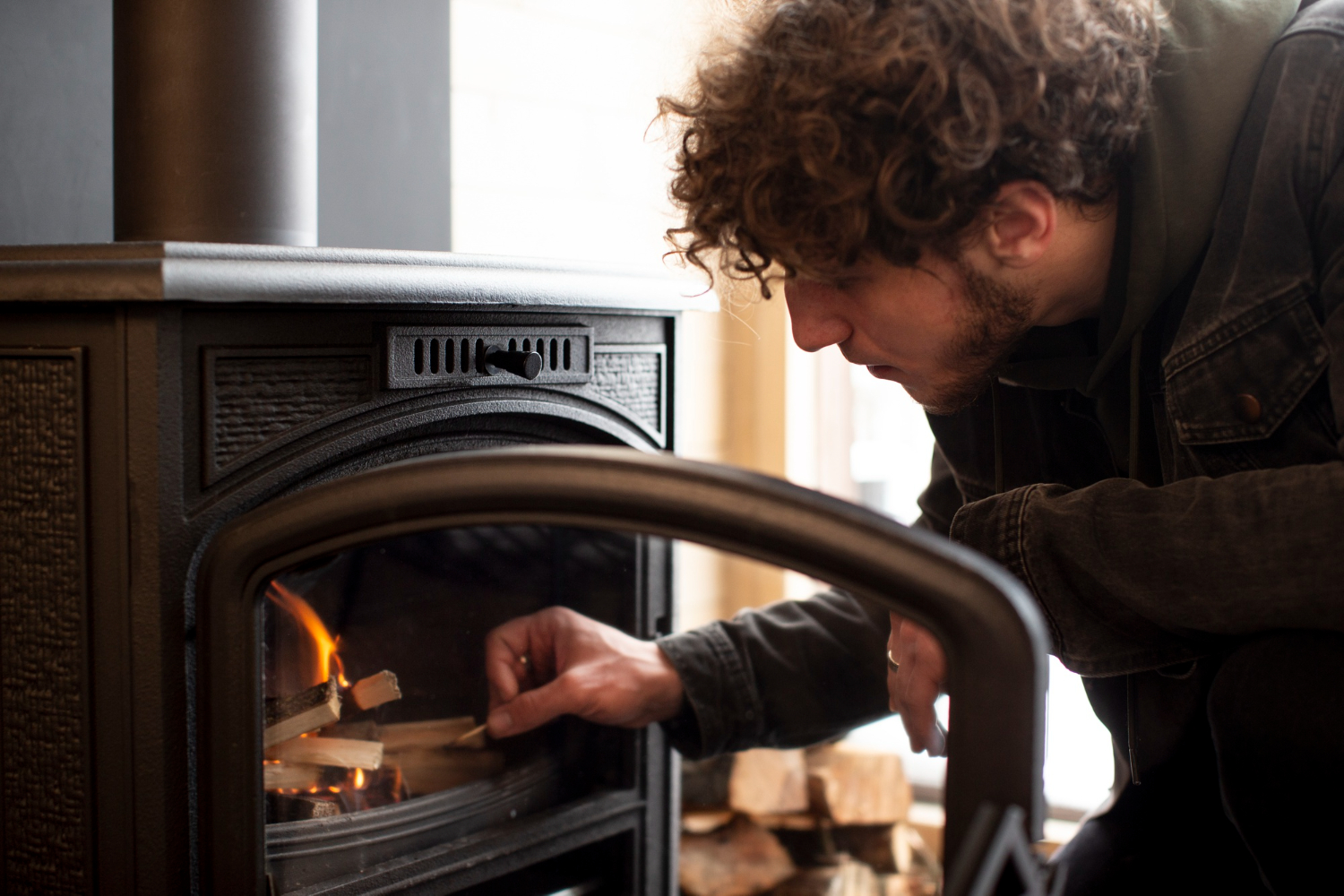
Installing a wood burning stove involves more than choosing a model that looks right for the room, since the flue, the chimney and the paperwork all need to be correct before the first fire is lit. Get any of these wrong and the stove might still work well day to day, but the installation can fall short of Building Regulations, which matters more than most people realise until they sell the house or make an insurance claim.
The most useful checks cover who does the installation, whether the room and chimney can safely take a stove, what current stoves and areas require by law, and how that gets confirmed on paper once the work is done. Working through these in the right order avoids paying twice for the same job later on.
Confirming the Installer’s Certification
A reliable installer will show proof of their hetas certificate registration without being asked twice, since it confirms the work meets current safety standards and that the local authority has been notified where this applies. This paperwork becomes the document a solicitor asks for if the property is sold, and it’s often what an insurer wants to see if a claim involving the stove is made.
Whether the Room Needs a Class 1 Chimney or a New Flue
Existing chimneys built for an open fire don’t automatically work for a wood burning stove, since the flue often needs relining to the correct diameter before it can be connected safely. Rooms without an existing chimney can still take a stove using a twin wall flue system that runs up through the property and out through the roof. Checking the chimney or flue route before choosing a stove avoids paying for a model that turns out to be the wrong size for the space.
Choosing a Stove That Meets Current Emissions Standards
Every new wood burning stove sold in the UK since 2022 has to meet Ecodesign standards covering efficiency and emissions, so this isn’t something to separately research when buying from a reputable retailer. Older second hand stoves don’t have to meet these standards retrospectively, but fitting one still means checking it against the same rules as anything else being installed. Choosing the right heat output for the room matters just as much, since an oversized stove tends to run inefficiently.
Checking Whether the Property Sits in a Smoke Control Area
Large parts of the UK, including most towns and cities, fall under smoke control rules that limit what can be burned and in which appliances, regardless of how new the stove is. Burning ordinary wood in a stove that isn’t approved for these areas can lead to fines of up to £300, rising to £1,000 for burning unauthorised fuel. A quick check with the local council settles this before a stove is ordered.
None of these checks take long on their own, but skipping any tends to cause problems later, usually at the worst possible moment such as during a house sale or an insurance claim. Working through the paperwork, the room, the stove and the smoke control rules in order gives an installation that’s safe and one less thing to worry about once the fire is lit.