








When Do The Clocks Go Back in 2026?
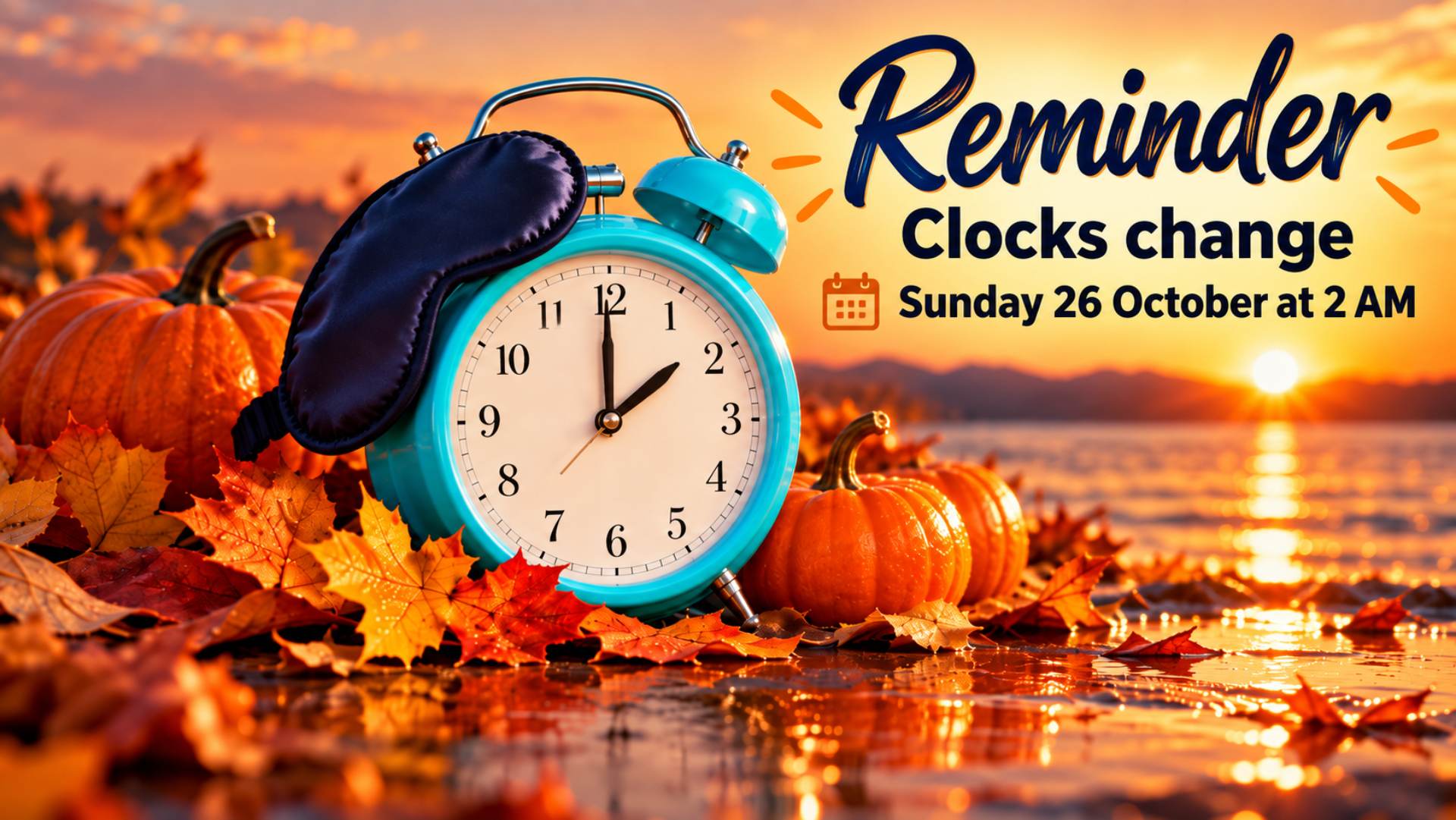
The Clocks Go Back 2026 change takes place at 2am on Sunday 25 October 2026, when the clocks move back one hour and 2am becomes 1am. The UK moves from British Summer Time (BST) back to Greenwich Mean Time (GMT), and you gain an extra hour in bed.
The extra hour from the 25 October Clock Change is the good news. The trade-off is darker evenings: sunset jumps an hour earlier overnight, and by December, much of the UK is dark well before 4.30pm. For many people, this is the moment winter properly begins.
Table of Contents
☰
What Does the Clock Change Mean for You?
- You gain an extra hour: At 2am on 25 October 2026, the clocks move back to 1am.
- Evenings get darker earlier: Expect noticeably less daylight after work and school.
- Most devices update automatically: Phones and laptops usually change themselves, but clocks, ovens and heating timers may need adjusting.
- Your body may need a few days: Morning light and a regular sleep routine can help you adapt faster.
What Actually Happens to Your Devices
- Phones, tablets, laptops and smart speakers update automatically, as long as automatic time settings are switched on.
- Cooker, microwave and car clocks, plus wall clocks, watches and some central heating timers, need changing by hand.
- Heating and lighting timers are easy to forget. Check them on Sunday morning so your home isn’t cold or dark when you need it.
Why the UK Changes the Clocks
Understanding Daylight Saving Time 2026 starts with the history of British Summer Time, which was introduced in 1916 during the First World War to make better use of daylight and save fuel. The idea had been championed for years by builder William Willett, who disliked seeing people asleep through bright summer mornings. The basic rule has stayed the same ever since: clocks go forward on the last Sunday in March and back on the last Sunday in October.
How the Clocks Going Back Affects You
The UK Winter Clock Change may involve only one hour, but your body runs on an internal clock, known as the circadian rhythm, that relies on daylight to keep time. When the light shifts suddenly, it takes a few days to catch up.
Sleep
Most adults adjust within a few days. Babies, young children and pets often don’t understand that “1am” has moved, so expect early wake-ups for the first week. Shift workers and people who already sleep poorly may also feel out of sync for longer.
Mood and energy
Less daylight affects the brain chemicals that regulate mood and sleep. Many people notice they feel more tired, crave carbohydrates or want to hibernate as winter sets in. For some, it goes further. Seasonal affective disorder (SAD) is a type of depression that follows a seasonal pattern, usually worsening in autumn and winter. Common signs include persistent low mood, losing interest in everyday activities, oversleeping and finding it hard to get up in the morning.
Road safety
The evening rush hour suddenly happens in the dark. Road safety charities consistently warn that pedestrians and cyclists face greater risk in the weeks after the clocks go back, as drivers adjust to poorer visibility. Children walking home from school are especially vulnerable.
How to Prepare for the Clock Change
Preparing for the Clocks Going Back in the week before 25 October can make the transition much easier for your sleep, daily routine and household schedule.
- Shift bedtimes gradually. For young children, move bedtime and wake-up 10 to 15 minutes later each day for four or five days beforehand. By Sunday, their body clock will already be close to the new time.
- Use the morning light. Open the curtains as soon as you wake on Sunday and get outside early, even briefly. Morning daylight is the quickest way to reset your body clock.
- Keep mealtimes steady. Eating at your usual “new” times helps your body adjust faster.
- Don’t waste the extra hour. Use it for proper rest or a slow morning, rather than staying up later on Saturday night.
- Be seen after dark. Dig out reflective bands, a torch and lights for bikes and scooters before the darker commutes begin.
- Check your car. Make sure headlights, brake lights and indicators all work, and clean the windscreen inside and out to cut glare.
- Test smoke alarms. The clock change is an easy reminder, especially with candles and heaters coming out for winter.
Winter Wellbeing Tips for Darker Days
These Winter Time Change Tips can help you build habits that support better sleep, mood, energy and safety from autumn through to spring.
Chase the Daylight
Coping With Shorter Days becomes easier when you make the most of natural light. Even on a grey day, outdoor light is far brighter than indoor lighting and can support mood and energy.
- Take a walk at lunchtime, when daylight is at its strongest
- Sit near a window when you work or read
- Keep blinds and curtains open throughout the day
If you struggle with winter low mood, a light therapy box may help. These lamps mimic bright daylight and are typically used for 20 to 30 minutes each morning. Speak to your GP first, particularly if you have an eye condition or take medication that increases light sensitivity.
Top up Your Vitamin D
From October to March, the UK sun isn’t strong enough for our skin to make vitamin D. The NHS advises everyone to consider taking a daily supplement of 10 micrograms (400 IU) during these months. Vitamin D supports healthy bones, teeth and muscles. You’ll find it in supermarkets and pharmacies at low cost.
Protect Your Sleep
- Keep consistent sleep and wake times, even at weekends
- Avoid screens for an hour before bed, as blue light can delay sleep
- Keep your bedroom cool, dark and quiet
- Cut back on caffeine after early afternoon
A Healthy Winter Routine should include consistent sleep and wake times rather than simply sleeping longer. Oversleeping can leave you groggier, so aim for a regular seven to nine hours.
Keep Moving
Exercise lifts mood, boosts energy and helps you sleep. The NHS recommends adults aim for at least 150 minutes of moderate activity a week. On dark evenings, swap outdoor runs for home workouts, swimming, dance classes or a brisk walk in daylight hours. Wear bright or reflective clothing if you head out after dark.
Eat for Energy
Winter cravings often lean towards sugar and stodge. Balance comfort food with warming meals built on vegetables, pulses and whole grains: soups, stews and curries are cheap, filling and easy to batch cook. Oily fish, eggs and fortified cereals add a little extra vitamin D.
Look after Your Mind
- Staying Well This Winter also means staying connected. Arrange regular plans with friends and family so shorter days do not turn into isolation.
- Keep something to look forward to. A weekly film night, a class or a planned trip helps break up the winter.
- Notice the signs. If low mood lasts for more than a couple of weeks or affects your daily life, speak to your GP. Talking therapies can be accessed through the NHS, and in England you can often refer yourself.
Stay Warm and Safe at Home
Cold homes affect health, particularly for older people, babies and those with long-term conditions. The NHS suggests heating the rooms you use most to at least 18°C. It is also worth taking time to prepare your home for winter before temperatures fall further. Check on older neighbours and relatives during cold snaps.
FAQs