







Creativity is no longer reserved for professional artists—it is a form of personal expression, mental therapy, and joyful learning accessible to everyone. Across England, a thriving culture of creative workshops invites individuals of all ages and backgrounds to explore new skills, meet like-minded people, and reconnect with imagination. From pottery and glassblowing to floristry and chocolate-making, community studios and expert-led masterclasses are redefining how people pursue creativity.
These workshops offer an escape from digital overload and a return to hands-on making. Whether you’re seeking a therapeutic hobby, a social experience, or a new career direction, England’s creative workshop scene offers endless opportunities. This guide explores the 10 most popular and highly recommended creative workshops across England—covering what to expect, who they’re ideal for, duration, pricing, benefits, and the reasons behind their growing popularity.
Introduction
England has always been a hub of artistic and craft innovation, shaping global heritage through literature, architecture, theatre, textiles, ceramics, and design. In recent years, creative workshops have surged in popularity as people search for meaningful experiences beyond online consumption. As mental wellness, community activity, and skill-building take centre stage, hands-on classes have become an important part of modern culture.
Workshops offer something unique: learning by doing, guided by passionate experts and surrounded by supportive groups. Whether crafting a ceramic bowl with raw clay or forging a blade from red-hot steel, participants experience creativity not only as a hobby but as a way to connect with history, tradition, and personal growth. These workshops prove that creativity is not about perfection but exploration and self-expression.
Across England—London, Manchester, Birmingham, Bristol, Leeds, Sheffield, Brighton, and more—studios are opening their doors to beginners, professionals, families, and corporate teams. Each workshop provides a tangible takeaway, a memorable experience, and a chance to step outside routine. The following sections highlight the best options worth trying this year.
1. Pottery & Ceramics Workshops
Shape creativity from the earth beneath your hands
Why Pottery Workshops Are Growing in Popularity
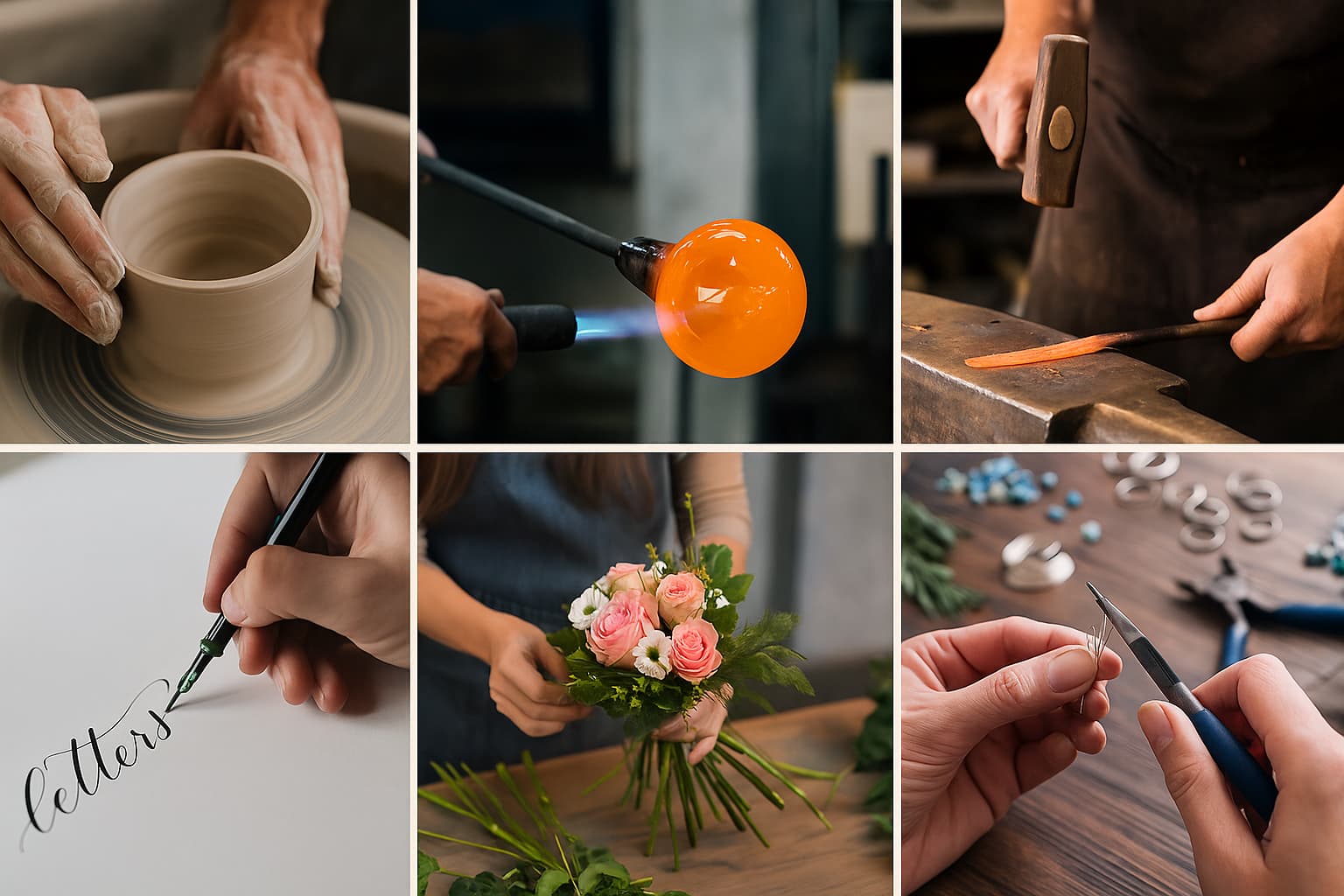
Pottery and ceramics have become one of the biggest creative trends across England, offering a deeply therapeutic and immersive experience. The hands-on connection with clay promotes mindfulness, reducing anxiety and encouraging presence. Participants experience a slow, meditative process that contrasts sharply with fast digital culture. Unlike many hobbies, pottery offers a physical outcome—bowls, mugs, vases, and sculptures that hold sentimental and functional value.
Many studios across England offer beginner-friendly wheel-throwing and hand-building classes, allowing participants to learn foundational techniques such as centering clay, shaping, trimming, glazing, and firing.
What to Expect in a Workshop
- Guided instruction by ceramic artists
- Tools and materials provided
- Access to pottery wheels, kilns, glazes & clay tools
- Firing and glazing included (sometimes on a return visit)
Who Should Attend
This workshop is ideal for people seeking relaxation, beginners wanting to explore art without pressure, couples’ date experiences, and individuals considering a craft-based business. Pottery is accessible to all ages and abilities.
Popular Locations
| Studio | City | Experience Strength |
|---|---|---|
| SkandiHus | London | Scandinavian-inspired design studio |
| The Clay Studio | Bristol | Community focus & open access |
| Gladstone Pottery Museum | Stoke-on-Trent | Historic ceramic experience |
2. Glassblowing Workshops
Experience fire, craftsmanship, and artistic transformation
An Ancient Art Revived in Modern England
Glassblowing is a captivating craft rooted in thousands of years of history. Workshops across England attract people looking for a dramatic, immersive and visually striking craft experience. Participants use fire, molten glass, and traditional tools to form decorative objects such as paperweights, baubles, vases, and bowls. The process combines creative focus with physical challenge and produces stunning results.
What the Experience Includes
- Safety guidance & equipment
- Expert-led demonstrations
- Hands-on shaping, colouring & blowing techniques
- A finished glass piece to take home
Why It’s Popular
Glassblowing offers a unique combination of adrenaline, artistry, and heritage. It appeals to people seeking unconventional experiences and the thrill of working with live molten material. Many describe it as unforgettable and confidence-boosting.
Top Glassblowing Venues
| Workshop | Location | Highlight |
|---|---|---|
| National Glass Centre | Sunderland | World-class facility |
| The Glass Quarter | Stourbridge | Historic home of glassmaking |
3. Blacksmithing & Forging Workshops
Discover the power of traditional craftsmanship and fire-formed creativity
Rediscovering a Heritage Skill
Blacksmithing workshops have become increasingly popular across England as more people search for physical, hands-on creative experiences beyond digital environments. Forging offers an opportunity to learn forgotten skills once central to community life—shaping steel with hammer, anvil, and fire. Participants are taught to heat metal in a furnace and craft objects such as knives, hooks, bottle openers, jewellery, tools, or ornamental pieces. The process teaches precision, problem-solving, and immense focus.
Why People Love Blacksmithing
Forging is both physically demanding and emotionally rewarding. Many participants describe the experience as empowering and meditative. The workshop environment is open, supportive, and highly collaborative, fostering teamwork and resilience.
What You’ll Learn
- Heat management and working with a forge
- Hammering, drawing out, and shaping steel
- Finishing techniques, hardening and polishing
- Safe workshop practice and tool knowledge
Recommended Locations
| Workshop | Region | Description |
|---|---|---|
| Phoenix Forge | West Sussex | Beginner-friendly projects |
| Oldfield Forge | Herefordshire | Full-day signature forging |
| The Vaughan Blacksmith | Yorkshire | Traditional forge environment |
4. Calligraphy & Hand-Lettering Workshops
Reviving the art of handcrafted writing in a digital world
Why Calligraphy Has Become a Modern Favourite
With most communication now typed on screens, the beauty and intimacy of handwritten lettering are experiencing a powerful resurgence. Calligraphy workshops teach participants how to use dip pens, brush pens, inks, nibs, and structured technique to craft elegant script for stationery, invitations, journals, and artwork. The practice encourages patience, slow creativity, and mental calm—making it especially popular for those seeking mindful self-expression.
Workshop Experience
Participants learn script styles such as modern brush calligraphy, copperplate, italic, and flourishing. Beginners find the workshops gentle and encouraging, while advanced classes offer refinement and portfolio creation.
Who It’s Perfect For
Art lovers, bullet-journal fans, engaged couples designing their own stationery, and professionals needing creative relaxation.
Popular Workshop Locations
| Studio | City | Highlight |
|---|---|---|
| London Calligraphy | London | Elegant scripts for modern styling |
| The Creative Nib | York | Friendly beginners’ environment |
| Meticulous Ink | Bath | Traditional print & stationery studio |
5. Floristry Workshops
Bring nature indoors and learn the art of botanical design
Why Floristry Is Becoming a Lifestyle Craft
Floristry workshops across England attract participants who enjoy working with natural beauty and seasonal materials. Students learn arrangement techniques, bouquet building, colour harmony, wiring methods, and event or wedding styling. Floristry encourages mindfulness, creativity, and sensory appreciation—found to improve mood, reduce anxiety, and foster connection with nature.
What You’ll Experience
- Guided demonstrations with professional florists
- Seasonal flowers and materials provided
- Instruction on structure, texture, and colour balance
- Final bouquet or arrangement to take home
Who Should Attend
Perfect for beginners, gardening enthusiasts, and event planning professionals. Workshops are also popular as team-building or hen-party activities.
Floristry Venues Across England
| Venue | Area | Why It’s Popular |
|---|---|---|
| Flower School Brighton | Brighton | Contemporary floral design |
| Academy of Floral Art | Devon | Courses from beginner to diploma |
| Cambridge Flower School | Cambridge | Wedding and event focus |
6. Painting & Fine Art Workshops
Unlock creativity through colour, texture, and visual storytelling
The Growth of Art for Well-Being
Painting workshops have become mainstream creative escapes, helping people express emotion, build confidence, and explore colour theory. Many workshops are designed specifically for beginners shocked by their artistic ability once guided step-by-step. From abstract art to realistic portrait sessions and plein-air outdoor painting retreats, fine-art workshops offer transformative personal experiences alongside technical training.
What a Typical Session Includes
- Professional instruction in techniques and composition
- All paints, brushes, canvases, and reference materials supplied
- Guidance in acrylic, watercolour, gouache, oil or mixed media
- Time for personal experimentation and critique
Popular Workshop Styles
| Type | Focus |
|---|---|
| Abstract art | Emotional and intuitive expression |
| Portrait painting | Form, proportion and realism |
| Landscape/plein-air | Outdoor painting in scenic locations |
| Acrylic pouring & fluid art | Experimental, playful creativity |
Well-Known Locations Across England
| Studio | City | Highlight |
|---|---|---|
| The Art Academy | London | Full-time courses and short masterclasses |
| Creative Art Studio | Manchester | Modern abstract workshops |
| Open College of the Arts | National | Online and physical blended learning |
7. Candle & Soap Making Workshops
Craft your own fragrance and artisan self-care products
Why Candle & Soap Making Has Become a Huge Trend
As self-care culture continues to grow, candle and soap-making workshops offer people a rewarding way to produce everyday items with personal meaning. These sessions teach essential skills including scent blending, moulding techniques, wick selection, essential oils, natural colouring, and eco-friendly wax options such as soy and coconut wax. Participants take home personalised, beautifully packaged products that can be gifted or sold as part of a small business start-up.
Benefits of Candle & Soap Making
The workshops are sensory, therapeutic, and relaxing. They allow individuals to experiment creatively with fragrance profiles and textures, learning how different ingredients affect burn time or skin sensitivity. Many use these classes to support anxiety relief and mindfulness practices while gaining skills they can continue at home.
Popular Workshop Locations
| Venue | City | Speciality |
|---|---|---|
| Crafty Candle Co. | Liverpool | Luxury fragrance blending |
| Soap Loaf Co. | Sheffield | Natural soap botanicals & cold-process training |
| Workshop & Co. | Bristol | Eco-friendly wax & sustainability focus |
8. Chocolate & Artisan Baking Workshops
Indulge creativity through flavour, craftsmanship and culinary technique
Why Food-Based Creative Workshops Are Intensely Popular
Chocolate making and artisan baking combine sensory pleasure with practical learning. Participants are introduced to techniques like tempering chocolate, moulding truffles, baking sourdough, crafting pastries, and designing decorative desserts. England’s thriving artisan food culture has turned these workshops into premium, memorable experiences for families, couples, corporate retreats, and aspiring culinary entrepreneurs.
What to Expect
- Ingredient selection and food-science guidance
- Step-by-step demonstrations
- Hands-on shaping, mixing, baking and decorating
- Recipes and finished gourmet items to take home
Top Experience Venues
| Venue | Location | Experience Type |
|---|---|---|
| York Cocoa Works | York | Bean-to-bar chocolate craft |
| Bread Ahead Bakery School | London | Sourdough & advanced baking |
| The Chocolate Quarter | Birmingham | Chocolate tempering & moulding |
9. Photography & Film Workshops
Capture stories through a creative lens and explore visual perspective
Why Photography Workshops Matter
Photography workshops attract beginners and professionals alike, helping participants grow confidence with composition, lighting, editing, and camera techniques. Many take place in scenic outdoor environments such as national parks, coastal viewpoints, and historical towns—combining travel, nature, and creativity. With demand for strong visual communication at an all-time high, photography is both an artistic practice and a valuable digital skill.
What You’ll Learn
- Manual camera control and exposure settings
- Portrait, landscape, street or wildlife photography
- Film-making, video editing, and storytelling
- Critique sessions and portfolio development
Where to Find the Best Workshops
| Venue | Region | Highlights |
|---|---|---|
| Nikon School UK | London | Professional-level training |
| Cornwall Photo Adventure | Cornwall | Outdoor landscape retreats |
| Peak District Photography Tours | Derbyshire | Walking photography experiences |
10. Jewellery-Making & Metal Craft Workshops
Learn precision, craftsmanship, and unique wearable art
Growing Interest in Handmade Jewellery
Jewellery-making workshops are ideal for individuals who love detailed craft and bespoke design. Participants are taught to cut, solder, polish, set stones, forge silver, and create personally meaningful rings, earrings, bangles, or pendants. These workshops are popular for engagement or anniversary gifts, bridal parties, artistic beginners, and aspiring small business owners.
What the Workshop Provides
- Professional jeweller guidance and bench tools
- Materials such as silver, brass, semi-precious stones, or recycled metals
- Skills covering shaping, soldering, filing, and polishing
- A finished, wearable piece of jewellery
Well-Known Destinations
| Workshop | Area | Notable Feature |
|---|---|---|
| Birmingham Jewellery Quarter Studios | Birmingham | Historic jewellery heritage district |
| Jessica Steele Jewellery | London | Wedding ring workshops |
| The Metalsmith | Manchester | Contemporary metal craft |
Comparative Overview of Benefits & Experience Styles
| Workshop Type | Best For | Primary Skill Experience | Outcome | Emotional Benefit |
|---|---|---|---|---|
| Ceramics & Pottery | Mindful creativity | Crafting with clay & wheel work | Functional ceramic item | Calm, focus, grounding |
| Glassblowing | Adventurous learners | Fire & molten glass shaping | Artistic glass piece | Confidence, excitement |
| Blacksmithing & Forging | Hands-on physical learning | Forging steel through fire | Tools or decorative craft | Strength, resilience |
| Calligraphy | Gentle artistic focus | Hand lettering & precision | Artistic stationery | Stress relief, patience |
| Floristry | Nature lovers | Botanical design | Floral arrangement | Sensory refreshment |
| Painting & Fine Art | Emotional expression | Art theory & technique | Canvas artwork | Self-expression |
| Candle & Soap Making | Self-care & gifting | Blending & moulding | Artisan products | Relaxation |
| Chocolate & Baking | Food enthusiasts | Tempering, shaping, baking | Gourmet desserts | Joy, indulgence |
| Photography & Film | Storytellers | Lens technique & editing | Photographs or short film | Perspective, adventure |
| Jewellery-Making | Detail craft | Metal & stone techniques | Wearable jewellery | Pride, sentimental value |
Frequently Asked Questions (FAQs)
1. Are creative workshops suitable for complete beginners with no artistic background?
Absolutely. Most creative workshops across England are intentionally designed to welcome complete beginners with no prior experience. Tutors guide participants step by step, providing demonstrations, materials, and individual support. Workshops focus on exploration rather than perfection, helping students relax while learning new techniques at a comfortable pace. Many people discover unexpected talents when freed from pressure or judgment. Whether it’s pottery, calligraphy, blacksmithing, or photography, beginners form a large share of attendees, making the environment friendly, supportive, and confidence-building.
2. How do creative workshops support mental well-being and stress relief?
Creative workshops are widely recognised for their therapeutic benefits. Hands-on creative activity engages the mind in a calming and focused way, reducing anxiety and improving emotional regulation. Working with materials such as clay, flowers, metal, paint, or fragrance activates sensory awareness, grounding participants in the present moment. Workshops also promote social connection, reducing loneliness and encouraging positive interactions. Many people describe creative learning as a break from screens and routine—an opportunity to relax, decompress, and rediscover joy through process rather than outcome.
3. Can creative workshops help people transition into new careers or small businesses?
Yes. A growing number of participants use creative workshops as a stepping stone towards new careers, self-employment, or supplementing their income. Skills such as candle-making, baking, jewellery craft, ceramics, and photography are closely aligned with craft markets, Etsy shops, and independent retail. Workshops provide industry insights, practical skills, and access to equipment that may otherwise be inaccessible. They also offer networking opportunities and sometimes include follow-up professional courses. For many, workshops are the first step in testing a business idea without major risk.
4. Are creative workshops suitable for families, children, couples, or corporate groups?
Most workshops across England offer flexible formats designed for a wide range of participants, including families, couples, friendship groups, schools, and corporate teams. Many studios offer private bookings for celebrations, hen parties, or team-building days. Workshops provide shared experience, collaboration, and memorable outcomes, making them perfect alternatives to traditional leisure activities. Some more technical workshops—like glassblowing or blacksmithing—may have age restrictions for safety reasons, but studios usually offer child-friendly alternatives such as painting, candle-making, and pottery modelling.
5. How much do creative workshops cost, and what is included in the price?
Pricing varies depending on workshop length, location, and materials involved. Short introductory sessions typically range from £35–£60, while full-day immersive courses may cost £120–£280. Specialist skills such as blacksmithing, glassblowing, or jewellery-making may be priced higher due to material and equipment expenses. Most workshop fees include expert tuition, tools, materials, and access to studio equipment. Many also provide refreshments and your completed item to take home. Multi-week courses or diploma-level training require greater investment, but provide deeper learning and portfolio development.
6. How do I choose the right creative workshop for my interests and goals?
Start by identifying what type of experience you want—relaxation, social connection, practical skills, business development, or personal challenge. Consider whether you prefer quiet, gentle creativity like calligraphy or floristry, or high-energy workshops like glassblowing or blacksmithing. Check reviews, tutor experience, and examples of finished work. Think about accessibility, travel distance, and workshop size. If unsure, choose a beginner taster session first. Most studios allow browsing through project examples before booking, helping you feel confident that you’ve selected the right experience.
7. Why are creative workshops becoming more popular across England today?
The rapid growth in creative workshops reflects cultural shifts. People are seeking real-world experiences after years of increasing digital dependence. Creative activities provide meaningful break time away from screens and help rebuild social connection after periods of isolation. Many individuals are also reconsidering work-life balance and searching for hobbies that support well-being. Workshops offer a combination of mindfulness, learning, accomplishment, community, and personal growth. Rising interest in sustainability and handmade products has also inspired more people to make rather than buy.
Conclusion
Creative workshops across England are more than recreational activities—they are spaces where people rediscover imagination, rebuild confidence, and reconnect with others through shared experience. From forging steel and shaping molten glass to arranging seasonal flowers or creating artisan chocolate, each workshop nurtures skills that extend far beyond technique. They invite participants to slow down, be present, and find fulfilment in hands-on craft rather than digital noise. These workshops remind us that creativity is not exclusive to artists; it is a universal human instinct waiting to be explored.
As the demand for well-being, authentic experiences, and community involvement grows, creative workshops are becoming essential cultural spaces across the UK. They strengthen local economies, protect traditional crafts, and inspire new generations to value making over consuming. Whether you choose pottery, painting, jewellery, or photography, the journey begins with curiosity and an open mind. Trying a creative workshop this year might transform not only your skills, but your perspective, confidence, and daily life.